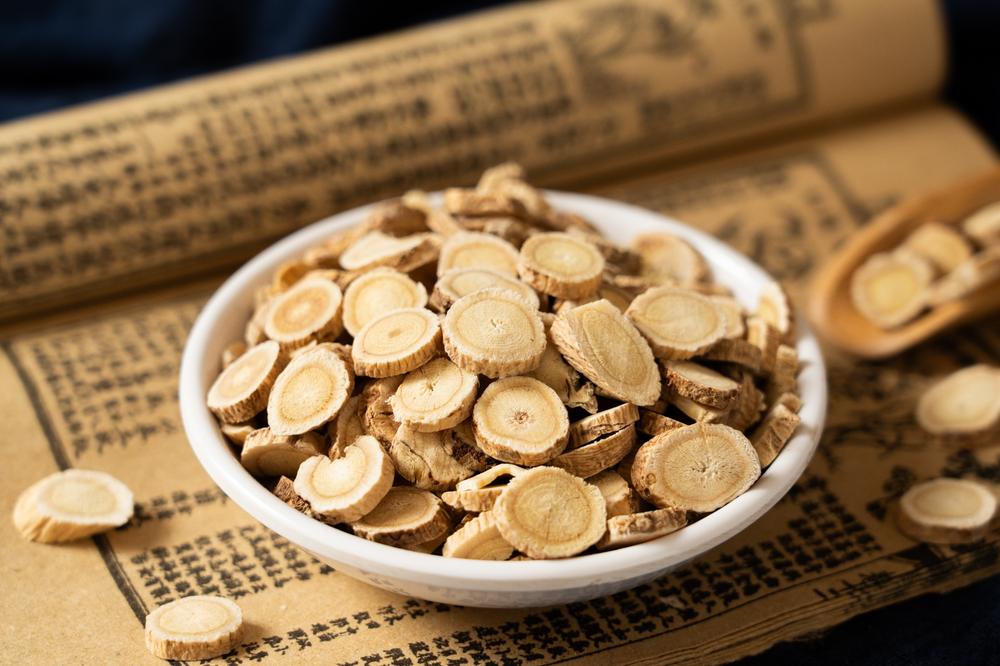
In ancient times, astragalus was used by various cultures as a plant endowed with mystical powers. It was considered a means of maintaining vital energy, promoting longevity, and even aiding in spiritual growth.
What is astragalus and why is it unique?
The genus Astragalus belongs to the legume family (Fabaceae) and is one of the largest genera in the plant world. Currently, about 3,000 species of Astragalus are known, growing in different parts of the world - from the temperate zone of Eurasia to the mountainous regions of Central Asia and North America.
Astragalus is found in steppes, semi-deserts, mountainous areas, and even in highlands, where it has adapted to extreme conditions.
The main medicinal species actively used in the world is Astragalus membraneceus, some other species also have beneficial properties and are used in folk medicine.
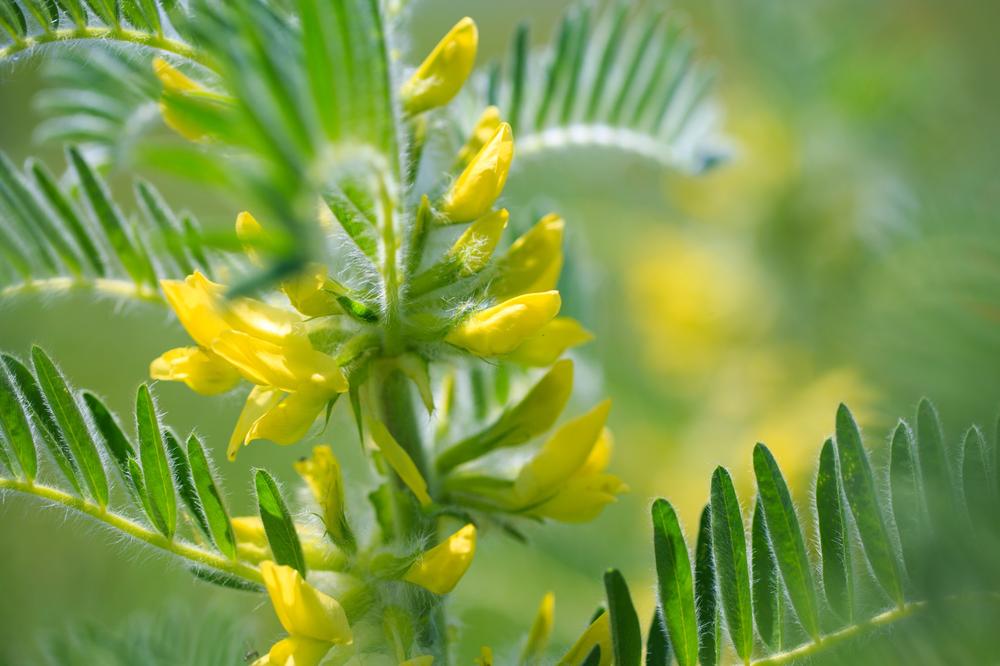
Astragalus membranaceus is known by many names around the world. In traditional Chinese medicine, it is called "Huangqi" (黄芪), which means "yellow leader" or "yellow commander", in English-speaking countries it is often referred to as "Mongolian milkvetch" or "Astragalus root", and in European folk medicine it is sometimes called "Chinese astragalus".
The main value of Astragalus membranaceus is its root, which contains over 200 active compounds.
Among them:
- Astragalosides are special saponins that support the cardiovascular system and have anti-inflammatory properties.
- Flavonoids are natural antioxidants that protect cells from damage.
- Polysaccharides are key compounds that stimulate the immune system.
Herb (aerial part) – contains fewer active compounds, but has a tonic effect and is used in folk medicine.
Flowers and leaves – sometimes used in herbal medicine for soothing and diuretic infusions.
Seeds – rarely used for medicinal purposes, but have potential in plant restoration and breeding research.
To prepare medicinal products, the root of Astragalus membranaceus is most often used, which is characterized by a high content of biologically active compounds, in contrast to the less concentrated astragalus herb, although both come from the same plant, where the astragalus root is the most popular part.
Its rich composition makes astragalus one of the most powerful natural remedies for maintaining health and longevity.
Astragalus and the Scythians: secrets of steppe medicine
In the territory of modern Ukraine, where the Scythians lived since ancient times, astragalus may have been one of the medicinal plants used by these nomadic warriors. The Scythians, as is known, were not only skilled warriors, but also possessed a deep knowledge of herbs, which they used to heal wounds, strengthen the body, and even prepare tonic drinks.
According to some historical speculation, Scythian leaders may have used astragalus as a means to strengthen the heart, increase endurance, and prolong life. Herodotus, who wrote about the Scythians in the 5th century BC, mentioned their special rituals and medicinal knowledge. Archaeological finds confirm that the Scythians used decoctions, tinctures, and various herbal mixtures, and astragalus, which grows naturally in the steppes, may have been part of these medicinal practices.
Despite the veil of mystery surrounding Scythian steppe medicine, the study of surviving evidence suggests that plants such as astragalus may have been used for a variety of medicinal purposes, and modern research is examining the potential of astragalus in the treatment of diabetes.
Astragalus was believed to support the heart, provide strength, and prevent aging—an ideal remedy for those who lived in constant combat readiness and the harsh conditions of nomadic life.
Astragalus in Traditional Chinese Medicine
Astragalus membranaceus is one of the most revered medicinal plants in traditional Chinese medicine, known as HuangQi. It has been used in medicine for over 2,000 years, and the first written mention of it can be found in the Shennong Bencao Jing (Shennong Canon of Medicinal Plants), created in the 2nd century BC. In this treatise, it, like Lingzhi (Reishi) , was included in the group of “upper herbs” – plants that not only heal, but also prolong life.
Legend has it that ancient Chinese Taoists, seeking immortality, used astragalus in their elixirs. It was believed to help support the energy of “Qi,” the life force that circulates through the body. In Chinese culture, it was called the “yellow emperor” of herbs because of its golden color and ability to strengthen the body.
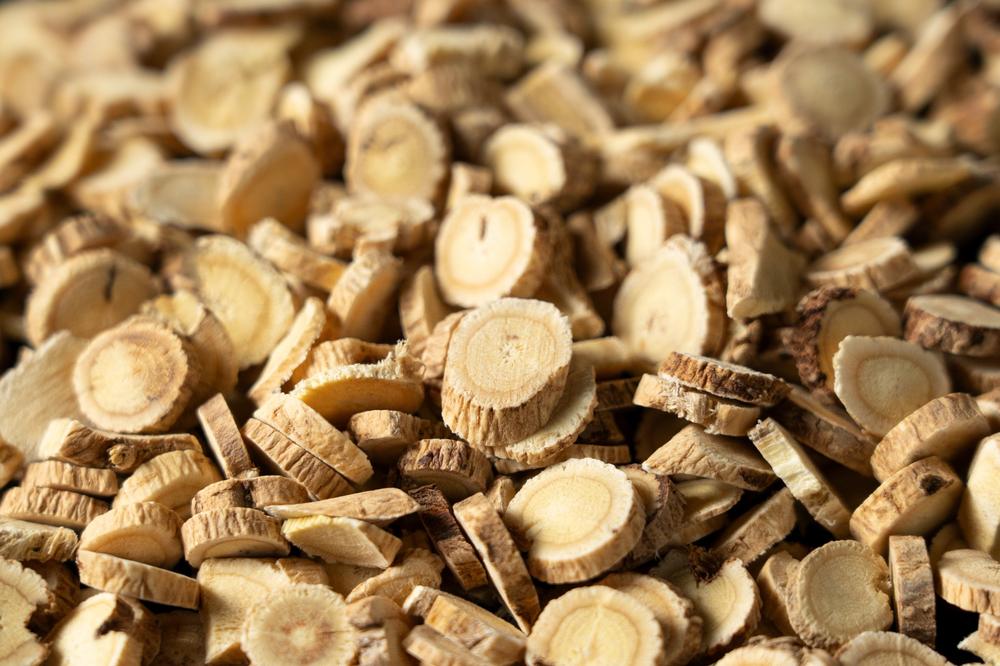
For centuries, physicians of the Tang, Song, and Ming dynasties used astragalus in their recipes.
It was prescribed for:
- exhaustion of the body,
- chronic infections,
- weakened immunity,
- inflammatory processes in the lungs and kidneys.
In Chinese medicine, astragalus was often combined with ginseng, Lingzhi (Reishi) , schisandra, angelica, and licorice, creating powerful formulas to restore energy and promote health.
Astragalus in Tibetan and Mongolian practices
In Tibetan and Mongolian medicine, astragalus was also highly valued. It was used to treat chronic fatigue, improve kidney function, and as a means to accelerate wound healing. In medieval Europe, astragalus was known as an herb that increased the body's resistance to harsh climatic conditions and helped travelers and warriors maintain strength.
Astragalus in Western Medicine
Until the mid-19th century, astragalus remained largely a plant known only in East Asia. It was only with the development of pharmacology and botany that European scientists began to study its properties.
In the 20th century, Western researchers discovered the polysaccharides and saponins that make astragalus a powerful immunomodulator. Subsequently, the first clinical trials began, confirming its effectiveness in combating viral infections, inflammation, and even cancer.
Since the 1970s, astragalus has been actively studied in China in the context of cancer therapy, finding that its components can increase the effectiveness of chemotherapy and reduce its side effects.
Scientists are actively studying the potential of astragalus in the development of drugs for the treatment of cardiovascular, neurodegenerative and oncological diseases. Some studies indicate its ability to inhibit the development of tumors, especially when combined with other plant extracts.
Useful properties of astragalus
Strengthening the immune system
Astragalus polysaccharides (APS) stimulate cytokine production, activate macrophages and T cells. They increase the number of natural killer (NK) cells, which helps the body fight viruses and bacteria more effectively. Studies have shown that astragalus enhances adaptive immunity by increasing interferon and immunoglobulin levels.
It also promotes a balance between Th1 and Th2 immune responses, which is critical for preventing autoimmune and allergic reactions. However, due to these same properties, astragalus may not be recommended for autoimmune diseases, as it may enhance immune system activity in some cases.
Research shows that astragalus for immunity may be a valuable herbal remedy that helps activate immune cells and increase the body's resistance to infections.
In addition to general immune boosting, astragalus may be of interest to women during menopause due to its potential anti-inflammatory properties, while astragalus for men may help support a healthy cardiovascular system.
Cardiovascular system support
Astragalus improves blood circulation, dilates blood vessels, and reduces inflammation in the vascular wall. Astragalosides, which are found in the root, have a positive effect on the condition of blood vessels and the heart. Studies have shown that astragalus can lower blood pressure, improve microcirculation, and reduce cholesterol levels.
In a clinical study, heart failure patients who took astragalus extract had improved heart function, increased left ventricular ejection fraction, and better exercise tolerance.
The use of astragalus for the heart should be carried out with caution and under the supervision of a specialist, especially if you have already diagnosed heart disease or are taking appropriate medications.
Protection against chronic inflammation
Inflammation is the body's natural response to infection, injury, or disease. But when it becomes chronic, meaning it lasts for months or years, it can lead to serious problems like arthritis, heart disease, diabetes, asthma, and more.
Astragalus has anti-inflammatory properties that help the body fight chronic inflammation:
✔ Reduces the level of inflammatory substances (interleukins IL-1β, IL-6, TNF-α) - these are proteins that "ignite" inflammation.
✔ Protects cells from damage due to its antioxidant properties.
✔ Helps reduce swelling and redness as it reduces the activity of immune cells that cause an inflammatory response.
✔ Inhibits the action of NF-κB – a protein that controls inflammatory processes in the body.
But there is a nuance: astragalus stimulates immunity, which can be both a plus and a minus in some cases.
Inflammation in the body and immunity
Scientists from Italy conducted a study on mice and proved that astragalus reduces the level of inflammatory molecules in the body. Its extract helped reduce the number of inflammatory cells and improve the well-being of animals with chronic inflammation.
✔ In mice that received astragalus extract, inflammation was reduced by 40-50%.
✔ The level of substances that cause inflammation in the blood has decreased.
✔ The body began to repair damaged tissues faster.
Intestinal diseases (ulcerative colitis, irritable bowel syndrome)
People with inflammatory bowel disease have elevated levels of inflammatory proteins (cytokines) in the lining of the gut. Scientists have tested how astragalus may help with these problems:
✔ Inflammation of the intestinal mucosa is reduced.
✔ The condition of intestinal cells that protect against toxins and infections improves.
This suggests that astragalus may be beneficial for people with irritable bowel syndrome, Crohn's disease, or ulcerative colitis.
Inflammatory joint diseases (rheumatoid arthritis)
Studies have shown that astragalus helps reduce pain and swelling in people with arthritis because it:
✔ Reduces inflammation in the joints by inhibiting the action of inflammatory proteins.
✔ Helps restore cartilage, protecting it from destruction.
✔ May improve joint mobility and reduce morning stiffness.
But it is important to understand that astragalus does not cure arthritis completely, but can only relieve its symptoms and improve the quality of life.
Asthma and allergic reactions
Astragalus also has an anti-allergic effect:
✔ Helps reduce bronchial swelling in asthma.
✔ Suppresses the production of IgE, a protein responsible for allergic reactions.
✔ Makes breathing easier by reducing inflammation in the lungs.
In the context of respiratory diseases, the medicinal properties of astragalus are being studied for their ability to support airway function and reduce the frequency and severity of asthma attacks, as well as to attenuate acute allergic reactions. In one study, asthmatics who took astragalus extract had fewer attacks and used inhalers less often.
Can I take astragalus for autoimmune diseases?
It is important to understand balance here.
Astragalus may reduce inflammation but also stimulate the immune system. This means that in autoimmune diseases (rheumatoid arthritis, multiple sclerosis, lupus) its effect may be ambiguous:
✔ It helps some people because it reduces inflammation.
✖ But for others, it can worsen the condition because it activates the immune system, which is already attacking its own tissues.
Therefore, in case of autoimmune diseases, astragalus should be taken with caution and only after consulting a doctor.
Astragalus for increased stamina and energy
Helps recover faster after exercise and reduces lactic acid levels in the muscles. Athletes who took astragalus showed improved heart function, faster fatigue relief, and better muscle oxygenation.
Studies have shown that astragalus extract increases hemoglobin levels and promotes faster adaptation of the body to hypoxic conditions, which is especially useful for high-altitude training.
For the nervous system
Astragalus has a neuroprotective effect, reducing oxidative stress in brain cells, improving memory and cognitive function. The neuroprotective properties of astragalus are explained by its ability to reduce the level of oxidative stress and inflammatory markers in brain cells. It stimulates the production of neurotrophic factors that support the health of neurons and may help prevent Alzheimer's and Parkinson's diseases.
Animal studies have shown that administration of astragalus polysaccharides improves memory and cognitive function by reducing levels of beta-amyloid, a major factor in the development of neurodegenerative diseases.
Antioxidant protection and slowing down aging
Astragalus has powerful antioxidant properties that help neutralize free radicals. It increases the activity of superoxide dismutase (SOD), an enzyme that protects cells from oxidative damage.
Studies have shown that astragalus increases the length of telomeres, the structures that determine the rate of cell aging. This mechanism makes it a promising tool for supporting longevity.
The effect of astragalus on the thyroid gland
Improving function in hypothyroidism
A study in rats with propylthiouracil (PTU)-induced hypothyroidism showed that a mixed extract of Astragalus and Laminaria japonica helped normalize thyroid hormone levels (T3, T4) and reduce thyroid weight, suggesting the potential benefits of Astragalus in supporting thyroid function in hypothyroidism.
People with autoimmune thyroiditis (Hashimoto's thyroiditis) should consult a doctor, as stimulating the immune system may worsen the condition.
Protection against radiation damage to the thyroid gland
Another study found that astragalus injections can improve thyroid function and reduce radiation-induced (iodine-131) damage in rats, suggesting a potential protective effect of astragalus in radiation-induced thyroid damage.
Astragalus for oncology
Astragalus membranaceus has a long history of use in traditional Chinese medicine as a tonic and immunostimulating herb. In recent decades, scientific research has begun to actively explore its possible role in the adjuvant therapy of cancer, especially in combination with chemotherapy.
Astragalus and increasing the effectiveness of chemotherapy
Studies have shown that astragalus injections can increase the sensitivity of tumors to chemotherapy drugs. Clinical trials on thousands of cancer patients demonstrate that the use of astragalus during chemotherapy:
- Increases the effectiveness of anticancer therapy.
- Improves the quality of life of patients with cancer.
- Increases the annual survival rate of patients with various types of cancer.
The main active component contributing to such effects is considered to be astragalosides and astragalus polysaccharides.
Astragalus has been traditionally used in Chinese herbal formulas to support the immune system during severe illness. Its polysaccharides help modulate the immune response, reduce inflammation, and improve overall health during cancer treatment.
Additionally, astragalus helps combat immunosuppression caused by chemotherapy by helping to increase levels of natural killer cells (NK cells), which play a key role in destroying tumor cells.
Anti-inflammatory effect and protection against side effects of chemotherapy
One of the important aspects of astragalus use is its ability to reduce the side effects of chemotherapy. Studies show that taking astragalus during cancer treatment can:
- Reduce fatigue levels in patients.
- Improve appetite and overall physical condition.
- Reduce the risk of infections by strengthening the immune system.
Astragalus in combination therapy
In traditional Chinese medicine, astragalus is often used together with ginseng, reishi, schisandra, and other adaptogens to provide comprehensive support for the body during cancer treatment. The combination of these herbs can enhance the anti-cancer effect and maintain the health of patients.
How to take astragalus?
- Infusion or decoction – 1-2 teaspoons of crushed root or powder per 200 ml of hot water, let steep for 15-20 minutes, drink twice a day.
- Powder – 0.5-1 g per day, add to drinks or food.
- Extract in capsules – usually 250-500 mg per day depending on the concentration.
Precautions and contraindications
When should you avoid astragalus? Contraindications of Astragalus
- Autoimmune diseases – due to its potential immunostimulatory effect, it may enhance the immune response in multiple sclerosis, lupus erythematosus, and rheumatoid arthritis.
- Taking immunosuppressants – there is a possible risk of reducing the effectiveness of the drugs.
- Pregnancy and lactation – there is insufficient research on safety during these periods.
A full understanding of astragalus contraindications is key before starting to take it, as it can interact with some medications, such as immunosuppressants.
Possible side effects of Astragalus
Astragalus is usually well tolerated, but in large doses it can cause digestive disorders, low blood pressure, and allergic reactions. Individual sensitivity of the body can cause various side effects of astragalus, so monitoring your condition and timely seeking medical attention if unwanted symptoms appear is extremely important.
Conclusion
Astragalus membranaceus is a powerful adaptogen that supports the immune system, heart, brain, and energy levels. It has been used for thousands of years, and modern science confirms its beneficial properties.
However, like any herbal remedy, astragalus requires careful use, especially in people with chronic conditions. It can be part of an overall health approach, but is not a substitute for medical treatment.
When used properly, astragalus can be a natural remedy for increasing vitality and longevity.
When assessing the benefit-harm ratio of astragalus, it is important to consult a specialist to determine the optimal dosage and avoid unwanted side effects that outweigh the potential benefits.
Warning:
This article is for informational purposes only and is not intended to be medical advice or treatment guidance. Please consult your doctor before using any herbal remedy, including astragalus membranaceus, especially if you have a chronic medical condition, autoimmune disorder, or are taking medications.
List of sources used:
- Sheng F., Yang S., Li M., Wang J., Liu L., Zhang L., Research Progress on the Anti-Cancer Effects of Astragalus membranaceus Saponins and Their Mechanisms of Action, 2024.
- Wang P., Wang Z., Zhang Z., Cao H., Kong L., Ma W., Ren W., A review of the botany, phytochemistry, traditional uses, pharmacology, toxicology, and quality control of the Astragalus membranaceus, 2023.
- Zhou R., Chen H., Chen J., Chen X., Wen Y., Xu L., Extract from Astragalus membranaceus inhibit breast cancer cells proliferation via PI3K/AKT/mTOR signaling pathway, 2018.
- Wang P., Wang Z., Zhang Z., Cao H., Kong L., Ma W., Ren W., Astragali radix (Huangqi): a time-honored nourishing herbal medicine, 2024.
- Ni et al., Integrating Chinese medicine into mainstream cancer therapies, 2024.
- Wang et al., Effectiveness of Chinese Herbal Medicine as a Complementary Treatment for Chemotherapy-Induced Neutropenia in Breast Cancer Patients: A Real-World Study Protocol, 2024.
- Tero Isokauppila, Danielle Ryan Broida, Healing Adaptogens: The Definitive Guide to Using Super Herbs and Mushrooms for Your Body's Restoration, Defense, and Performance, 2022.