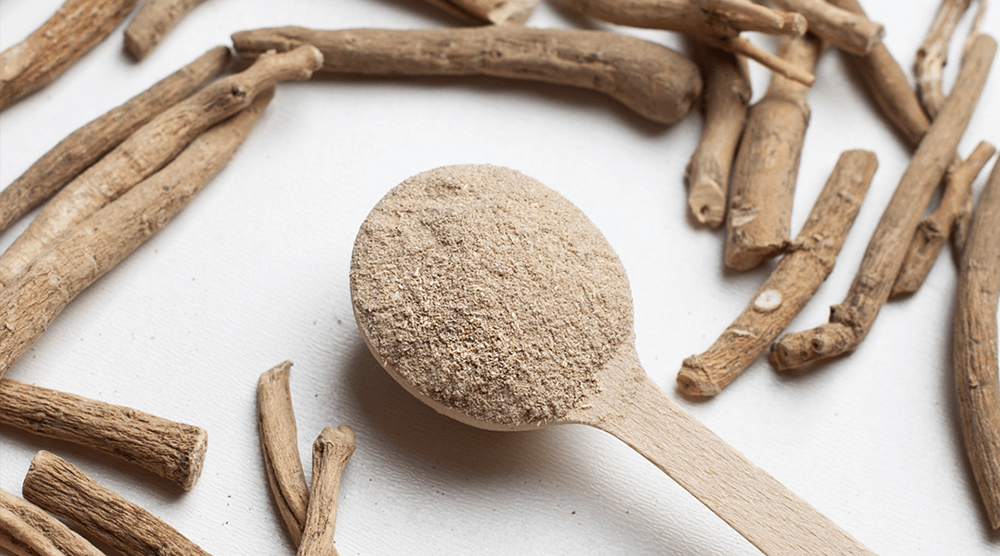
Ashwagandha is a medicinal plant that has been used in folk medicine, including Ayurvedic practice, for hundreds of years. It is also of interest to representatives of official science, who are studying the potential benefits of the plant's components. Therefore, today in the blog we will consider: What is ashwagandha and why is it being talked about more and more? How to drink ashwagandha and what are its benefits for the body? Find out how this ancient Ayurvedic plant can improve your health and well-being.
What is Ashwagandha (Withania somnifera)
Withania somnifera is a shrub of the nightshade family, which is known in everyday life and folk medicine as ashwagandha (ashwagandha), which in Sanskrit means "horse smell" and characterizes the corresponding property of the root of this plant. It is also called "physalis sun-leaved", "amukkuram", "Indian ginseng", "winter cherry". The latter name is associated with the characteristic appearance of the small red fruits of this plant.
The heat-loving shrub grows in arid regions of Africa, Australia and Asia, particularly in India, China, Yemen, and Sri Lanka. Its fruits are edible, but are not a frequent component in the cuisine of these regions, although the seeds help curdle milk in the manufacture of vegetarian cheese. The most valuable component is the dried and crushed root, which is added to honey, milk or brewed into tea. This is due not so much to the taste properties of the raw material, but to its potential health benefits. The ashwagandha plant is widely used in Ayurvedic medicine to promote health and combat stress.
Medicinal properties of Indian ginseng
Ashwagandha is a component widely used in Indian folk medicine to strengthen the nervous system, as an aphrodisiac, stimulant, anthelmintic and tonic. This effect is explained by the phytochemical composition of the raw material from the root of the plant, in which the following are of particular interest:
- withanolides;
- alkaloids;
- flavonoids.
Also in the composition of the winter cherry root are saponins, sterols, chlorogenic acid, resins, coumarins, fatty acids. Due to the presence of these active substances, official medical science is also investigating the benefits and harms of ashwagandha for a wide range of diseases and the general improvement of such negative conditions:
- insomnia;
- stress;
- hypothyroidism;
- Alzheimer's disease, Parkinson's disease, Huntington's disease, obsessive-compulsive disorder, depression, and other cases in which the plant's neuroprotective and anti-neurodegenerative properties are useful;
- treatment of alcoholism in terms of stopping withdrawal reactions and controlling behavioral changes;
- inflammatory processes, in particular those associated with nephritis, proteinuria, skin inflammation, neurology, etc.;
- malaria, salmonellosis, other fungal and bacterial diseases;
- infertility;
- oncological diseases;
- diabetes;
- cardiovascular diseases
- Ashwagandha for weight loss.
The general strengthening effect of ashwagandha can be enhanced by combining it with other natural remedies, including spirulina , chlorella, and lion's mane mushroom
Benefits of Ashwagandha for Hypothyroidism
Ashwagandha is a plant that has shown potential in mouse models or in human studies. For example, its use as an element of complex therapy in the case of hypothyroidism, especially in the subclinical stage, is being considered. Winter cherry contains withaferin A, which stimulates thyroid function, provides additional antioxidant and anticancer effects. The corresponding effect was noted in the works of Sharma AK et al. (2018), Abdel-Wahhab KG et al. (2019), Panda S. et al. (1998). Potentially, this effect can be enhanced in combination with other natural remedies, for example, when taken together with kelp. Ashwagandha for weight loss helps reduce cortisol levels, a stress hormone that is often associated with weight gain.
Benefits of Ashwagandha for Sleep Disorders
In folk and evidence-based medicine, the effectiveness of ashwagandha in insomnia is noted. In a study by Kaushik MK et al. (2017), it was shown that regular use of Indian ginseng extract for 12 weeks helped improve sleep quality and made it easier to fall asleep. In the work of Kelgane SB et al. (2020), they additionally emphasize the positive effect of ashwagandha in elderly patients aged 65-80 years not only on insomnia, but also on improving general well-being and mental activity after awakening. The potentially active components in this case are triethylene glycol from the aqueous extract of ashwagandha root, the effect of which can be synergistically enhanced by other natural components, for example, triterpenes from reishi spores.
There are a large number of studies on the effect of ashwagandha on the treatment of male infertility associated with oligospermia, normozoospermia and other problems. In particular, the works of Łukaszuk K. et al. (2018), Mahdi AA et al. (2011), Nasimi Doost Azgomi R. et al. (2018) show that the use of winter cherry helps to increase sperm volume, sperm motility and their number. An improvement in the composition of sperm is noted, including an increase in the level of antioxidant enzymes and vitamins A, E, C, as well as an increase in testosterone levels in the body. At the same time, no side effects were observed in patients with infertility, which potentially indicates the benefit of using ashwagandha as an alternative to existing methods.
It can also be considered as an element of therapy for erectile dysfunction, especially in combination with other natural supplements, such as cordyceps. Positive results of the use of Indian ginseng are reported in the case of so-called psychogenic erectile dysfunction, when sexual function is reduced due to increased sexual anxiety and excitement about sexual activity.
Benefits of Ashwagandha for Women
Dongre S. et al. (2015) note that ashwagandha, Indian ginseng, helps improve sexual function in women, positively affecting libido, the amount of lubrication and achieving orgasm. Also, the powder from the root of this plant helps balance the hormonal background, which, on the one hand, ensures normal fertility, and on the other hand, helps prevent problems during menopause.
Contraindications of Vitania hypnotic
Human and animal studies suggest that most patients do not experience significant adverse effects from long-term use of Indian ginseng. In some cases, possible side effects of ashwagandha when taken alone or in combination with other supplements or medications have been noted:
- headache;
- nausea;
- diarrhea;
- sedative effect.
Contraindications to ashwagandha include:
- sensitivity to dietary supplement components;
- hormone-sensitive prostate cancer (Indian ginseng stimulates testosterone production, which potentially leads to cancer progression);
- planning and course of pregnancy (threat of miscarriage), as well as the lactation period.
Winter cherries should be taken after consulting a doctor in case of the following diseases:
- hyperthyroidism (vitanium helps increase the concentration of thyroid hormones in the thyroid gland);
- nervous and other diseases in which the use of barbiturates, benzodiazepines and other anti-anxiety, hypnotic, sedative, anticonvulsant drugs is indicated (ashwagandha potentially enhances their effects);
- systemic lupus erythematosus, multiple sclerosis, rheumatoid arthritis, and other diseases in which winter cherry can enhance the immune response to the detriment of the patient.
How to take ashwagandha
The method of taking Indian ginseng root depends on the form of release of the dietary supplement. It can be supplied in the following forms:
- in capsules;
- in tablets;
- in powder.
How to take winter cherry in tablet form is indicated in the instructions for ashwagandha, depending on the dosage. In this case, the effect is ensured by the manufacturer's conscientiousness and the amount of ballast substances that complement the main raw materials. To be sure of the effectiveness of the dietary supplement taken, it is better to order ashwagandha in powder. In this form, it can be added to drinks or made into tea by brewing 1 teaspoon of powder in 150 ml of boiling water and taking half an hour before meals 1 to 3 times a day. Buying natural powder is more profitable than tablet supplements: for example, a package weighing 60 grams replaces 120 tablets of 500 mg. Before starting to take ashwagandha, it is extremely important for pregnant and breastfeeding women to consult a doctor.
Can Ashwagandha and Echinacea be taken together?
Taking ashwagandha and hedgehog together can provide a synergistic effect, for example, in improving cognitive abilities, relieving depression, and strengthening the immune system. Both natural supplements are potentially effective in Parkinson's and Alzheimer's diseases, although their mechanism of action on the nervous system is different, which provides mutual enhancement of capabilities during administration. Patients with serious conditions are advised to consult a doctor before taking ashwagandha or its combination with hedgehog.
Conclusion
Ashwagandha is a natural source of biologically active substances that have a strengthening effect on the body. It has been used in Indian folk medicine for centuries, and modern science confirms the promising use of winter cherry components in a wide range of pathologies: from female and male infertility to oncology. At the same time, ashwagandha is also a useful everyday food supplement, which you can buy at a bargain price in the PapaNature online store.
Warning: The information provided in this article is for educational and informational purposes only. It is not intended as a substitute for professional medical advice, diagnosis, or treatment. Always consult a physician or other qualified health care professional with any questions you may have regarding a medical condition. Never disregard professional medical advice or delay it because of something you have read on this website.