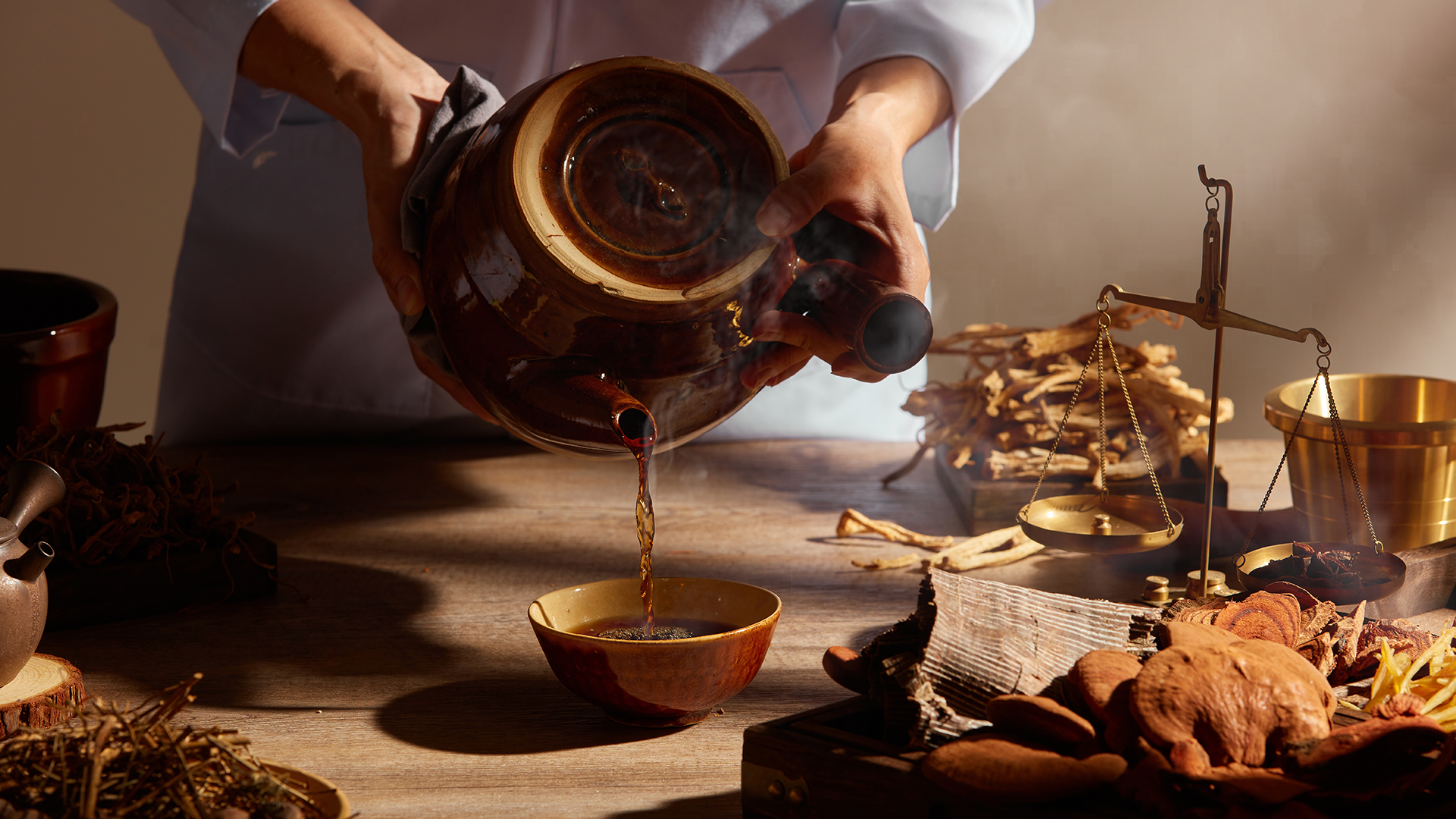
Mushrooms for cancer are considered a natural source of biologically active substances that can support the body's defenses. They are returning to the protocols of clinics around the world not only as part of an ancient tradition, but also thanks to modern research that reveals their unique role in supporting the body during cancer. How exactly does fungotherapy work - we explain scientifically, honestly and without myths.
Why is fungotherapy back in the focus of modern medicine?
Today, oncological diseases are one of the most complex problems of world medicine, and more and more attention is being paid to fungotherapy in oncology as a promising direction of a comprehensive approach to treatment and recovery of the body. One of them is fungotherapy, that is, the use of medicinal mushrooms as a source of biologically active compounds to support the body in a difficult period.
What is fungotherapy?
Fungotherapy is a branch of integrative medicine based on the use of extracts, powders, or other forms of medicinal mushrooms to support the immune system, reduce side effects of treatment, and improve the quality of life of cancer patients. In the world, it is considered an additional (adjuvant) therapy - not an alternative, but a supplement to the main methods.
How do medicinal mushrooms work in oncology?
Thousands of years ago, medicinal mushrooms were valued in China, Japan and Korea as a “gift of longevity” and a source of inner strength. They were used to support the body in difficult situations - from protracted illnesses to the recovery period after serious stress. In classical Eastern treatises, such species as Reishi (Ganoderma lucidum), Trametes (Trametes versicolor), Sanghuang ( Phelinus linteus ), Shiitake ( Lentinula edodes ) , Meitake ( Grifola frondosa ) - are mentioned as an important element of traditional therapy. Moreover , both for general strengthening and as part of a comprehensive approach to cancer and many other diseases.
Today, when modern science returns attention to the biochemical composition of medicinal mushrooms, researchers find confirmation of the unique action of these products. Mushrooms against oncology are studied as a promising direction in supporting immunity and restoring the body. Medicinal mushrooms are a rich complex of active substances that work at several levels simultaneously. It is thanks to this multi-level action that fungotherapy is considered a promising component of integrative support in oncology.
1. Modulating the immune response: how beta-glucans from medicinal mushrooms work
Beta-glucans are a special class of complex polysaccharides that are part of the cell walls of many fungi, cereals and even some algae. But it is beta-glucans from medicinal mushrooms (e.g., reishi, trametes, Sanghuang , maitake, shiitake, chaga , Brazilian agaric ) that have a unique chain “architecture” (β-1,3/1,6-glucans) that determines their immunological activity.
What is immune system “modulation”?
Unlike immunostimulants, which simply “speed up” the immune system (which can be dangerous in autoimmune or allergic conditions), modulation means “establishing balance.” Beta-glucans act as a “smart switch”: they enhance protective reactions where the body is weakened (for example, during chemotherapy), but do not stimulate an uncontrolled “artificial” immune response.
The mechanism of action of beta-glucans - in plain language
Recognition and activation:
Once in the body, beta-glucans are recognized by special receptors on the surface of immune system cells (macrophages, neutrophils, dendritic cells). The main “sensor” is the Dectin-1 receptor, which “reads” the fungal type of beta-glucans.
Starting a chain of reactions:
Binding to Dectin-1 activates macrophages, the “universal soldiers” of the immune system. They begin to “eat” foreign particles and release signaling molecules (cytokines) that recruit other cells to the fight.
Activation of NK cells and T lymphocytes:
At the same time, the work of “natural killer” cells (NK cells) is enhanced, which recognize and destroy damaged, virus-infected and tumor cells. T-lymphocytes, which play a central role in specific immunity, are also activated.
Balancing the immune response:
Thanks to their complex action, beta-glucans help not only to “boost” immunity during periods of depletion, but also to “calm down” an overactive immune response. There is evidence that this is especially useful in autoimmune conditions or in cases of chronic inflammation.
Scientific facts and research
Clinical studies have shown that regular intake of mushroom beta-glucans (e.g. from trametes or maitake) increases the number of active NK cells, macrophages and specific antibodies, improving the body's ability to fight viruses, bacteria and atypical (oncological) cells.
In patients undergoing chemotherapy, supplementing with mushroom extracts with beta-glucans helps reduce the risk of infections, speeds up immune system recovery, and may improve overall well-being.
Beta-glucans do not stimulate immune development "blindly" - instead, they "teach" the immune system to recognize potentially dangerous cells and not react to safe substances.
Structural feature: β-1,3/1,6-glucans have a “branched” structure that is ideal for interacting with immune receptors.
High bioavailability: In mushroom extracts, beta-glucans are available to the body in a “pure” form, without the chitin shell, which increases effectiveness.
Comprehensive effect: In addition to immunomodulation, beta-glucans reduce chronic inflammation and have antioxidant and antitumor effects.
2. Blocking angiogenesis: “blocking the supply routes” of the tumor
Angiogenesis is the process of forming new blood vessels. For the body, this is a normal mechanism for tissue repair and growth (for example, wound healing). But in oncology, angiogenesis acquires a “dark side”: tumors use this ability to “build” their own network of vessels and unhindered receive nutrients and oxygen. Without angiogenesis, a tumor cannot actively grow and metastasize.
How do fungi affect angiogenesis?
Studies show that certain active components of mushrooms (especially triterpenes and polysaccharides from reishi, fraction D from maitake, polysaccharides from trametes, phenolic compounds from chaga, and polysaccharides and flavonoids from Sanghuang) have the ability to inhibit key mechanisms of angiogenesis:
Decreased VEGF levels:
The main “engine” of new blood vessel growth is vascular endothelial growth factor (VEGF). Mushroom extracts (in particular, reishi, Sanghuang) are able to reduce the production of VEGF in tumor cells, “cutting off” the signal for the tumor to create new capillaries.
Inhibition of remodeling enzymes:
To grow in tissues, the tumor activates enzymes that “clear” space for new blood vessels. Some mushroom components (including those from Sanghuang) block the activity of such enzymes, inhibiting blood vessel growth.
Impaired endothelial cell migration:
Mushroom extracts reduce the ability of cells in the inner wall of blood vessels to “move” and form new capillaries.
What does this mean in practice?
Starving tumor: Without new vessels, the tumor cannot actively grow and metastasize, remaining “isolated” from nutrition sources.
Synergy with therapy: Combining mushroom extracts with classical treatment enhances the effect: the tumor weakens, and it is easier for the body to control the process.
Scientific data
Reishi mushrooms in oncology (Ganoderma lucidum): studied as a source of polysaccharides and triterpenes, which can have an immunomodulatory and supportive effect on the body. In experiments - reduction of VEGF, inhibition of capillary formation.
Sanghuang (Phellinus linteus) : Polysaccharides and phenolic compounds in Sanghuang reduce VEGF production, inhibit endothelial cell migration, and reduce vascular density in tumors.
Meitake (Grifola frondosa) : Fraction D shows a reduction in vascular growth in tumor tissue, an effect on the expression of angiogenesis genes.
Chaga (Inonotus obliquus) , Trametes (Trametes versicolor) : Similar mechanisms of action have been observed in experiments on cell cultures and tumor models.
3. Antioxidant and anti-inflammatory protection
The basis of most chronic diseases, including cancer, is oxidative stress - an imbalance between aggressive free radicals and the body's defense systems. It is free radicals that can damage DNA, proteins and cell membranes, provoking mutations, aging and the development of tumors. The second "invisible threat" is chronic inflammation, which creates a favorable environment for tumor growth and spread.
How do mushrooms provide antioxidant protection?
Modern research shows that many medicinal mushrooms (especially chaga, reishi, shiitake, Sanghuang, trametes, auricularia) contain a unique cocktail of antioxidant and anti-inflammatory compounds:
- Phenolic compounds (e.g. in chaga, Sanghuang, reishi)
- Triterpenes (reishi, Sanghuang)
- Polysaccharides (beta -glucans )
- Ergothioneine (in shiitake, chanterelle )
Mechanisms of action - in plain language
Neutralization of free radicals:
Mushroom antioxidants “catch” and neutralize free radicals, reducing the risk of DNA damage and the development of tumor mutations. For example, chaga extract has one of the highest antioxidant activity rates among natural products.
Protection of membranes and DNA:
Bioactive substances protect cells from oxidative stress during chemotherapy and facilitate tissue repair.
Inhibition of chronic inflammation:
Triterpenes, phenolic compounds, and beta-glucans block “inflammatory” pathways – reducing the level of pro-inflammatory cytokines (e.g., TNF-α, IL-6), which create a “fertile soil” for tumors.
Reducing side effects of treatment:
Antioxidant protection helps reduce the toxicity of chemotherapy and radiation treatment, supports liver, heart, and kidney function.
Data on individual mushrooms
Chaga (Inonotus obliquus): One of the most famous for its antioxidant power, it contains phenolic compounds, betulinic acid, melanins, which actively “catch” free radicals and reduce inflammation at the cellular level. Chaga mushroom for cancer is traditionally used in folk medicine as a means to strengthen immunity and maintain the body’s strength during illness.
Auricularia (Auricularia auricula-judae) : Known as an edible mushroom and a traditional Chinese medicine remedy. It is noted for its pronounced antioxidant and anti-inflammatory effects due to the content of phenolic acids and polysaccharides. Auricularia also supports blood vessels, improves blood rheology and reduces the risk of blood clots, which is important for patients with chronic inflammatory processes or during intensive care.
Reishi (Ganoderma lucidum): Has a powerful anti-inflammatory effect due to triterpenes, beta-glucans, and polysaccharides, inhibits key “inflammatory” cascades, and protects the liver and cardiovascular system.
Sanghuang (Phellinus linteus): High concentration of phenolic compounds that inhibit oxidative stress and block the synthesis of pro-inflammatory molecules.
Shiitake, Trametes : Additionally contain unique polysaccharides that support the balance of the immune system and protect mucous membranes.
Rainbow mushroom for cancer (Phallus impudicus): Attracts attention due to the content of active polysaccharides, which can stimulate the immune system and increase the production of natural killer cells. In addition, the substances of the rainbow mushroom inhibit the growth of atypical cells and reduce inflammatory processes in the body. The effectiveness of treatment with the rainbow mushroom continues to be studied by scientists in different countries.
4. Supporting the microbiome and reducing treatment toxicity
Why is so much attention paid to the state of the intestine during cancer therapy? The fact is that the microbiome is not just “beneficial bacteria”, but a huge ecosystem that affects immunity, nutrient absorption, mucosal regeneration and even the effectiveness of anti-cancer drugs. Chemotherapy and radiation therapy often damage this ecosystem, causing digestive disorders, diarrhea, decreased immunity and even increasing toxic effects on the body.
How do mushrooms help?
Prebiotic effect of mushroom polysaccharides: Beta-glucans, other polysaccharides and melanin from mushrooms (especially chaga, auricularia) serve as food for “beneficial” bacteria, stimulate their growth and help restore the balance of microflora more quickly after aggressive treatment.
Mucous membrane protection: Studies show that mushroom components (e.g., in chaga, auricularia, trametes) reduce inflammation and promote regeneration of intestinal mucosa, which reduces the risk of ulcers, diarrhea, and leaky gut syndrome.
Reducing treatment toxicity: Mushroom extracts can help the liver, kidneys, and hematopoietic system better cope with chemotherapy toxins, reduce the risk of leukopenia, anemia, and increase the body's overall resistance.
Data on individual mushrooms
Trametes versicolor: Known as the “river stone mushroom” (kawaratake), it is a classic prebiotic for the intestinal flora, supports the growth of bifidobacteria and lactobacilli, protects the mucosa from damage and has an antioxidant effect.
Chaga (Inonotus obliquus): Chaga polysaccharides help restore microbial balance, support the protective barrier of mucous membranes, and promote detoxification.
Auricularia (Auricularia auricula-judae): Has a pronounced prebiotic effect, protects blood vessels and microcirculation in mucous membranes, and facilitates recovery from damage caused by chemotherapy.
Reishi (Ganoderma lucidum): Helps support intestinal immunity, promotes epithelial cell regeneration, and reduces systemic inflammation.
Brazilian agaric (Agaricus blazei Murill): Often referred to as the “sun mushroom” or “mushroom of the gods”. In experimental and clinical studies, it has shown pronounced prebiotic properties: it stimulates the growth of beneficial microflora, strengthens the barrier function of mucous membranes, and also has a hepatoprotective effect (protects the liver from toxins). Some studies indicate that adding agaric to the treatment regimen contributes to a faster recovery of the hematopoietic system and improves the appetite and general well-being of patients during chemotherapy. Agaric mushroom in oncology is mentioned as an additional remedy that can help cleanse the body and maintain protective functions.
Rainbow mushrooms against cancer (Phallus impudicus): have attracted the attention of researchers due to their ability to maintain microbiome balance and strengthen the immune system. In addition, rainbow mushroom extracts may reduce treatment toxicity and improve chemotherapy tolerance.
5. Reducing the resistance of tumor cells to chemotherapy drugs
Studies show that some components of medicinal mushrooms (for example, polysaccharides of reishi, trametes, Sanghuang, as well as phytonutrients of shiitake and chaga) can influence this process. Shiitake mushroom for cancer is considered as a source of polysaccharides that can help reduce the resistance of tumor cells to chemotherapy. The effectiveness of treatment with shiitake mushroom is confirmed by a number of studies in the field of immunology. Mushrooms for cancer are considered as a promising direction of adjuvant therapy, enhancing the effectiveness of traditional treatment.
How?
They are able to block the work of certain “transport proteins” on the surface of tumor cells, which are responsible for removing drugs from the cell.
Some fungal compounds inhibit the activity of enzymes that neutralize the effects of chemotherapy drugs.
Some beta-glucans and polysaccharides restore cell sensitivity to chemotherapy, making the treatment more effective.
This effect has been confirmed in a number of experimental and clinical studies. This mechanism is particularly actively studied for Reishi, Trametes, and Shiitake extracts - they are often included in comprehensive protocols in Japan and China.
Features of dosage and selection of extracts for oncology
Modern clinical and experimental studies confirm that to achieve a pronounced immunomodulatory and antitumor effect in oncological diseases, it is advisable to use standardized mushroom extracts (with a high content of beta-glucans and polysaccharides). Most reviews mention doses of 1–3 g of extract per day, but in practice (especially in clinics in China, Japan, Korea) much higher daily doses are often used - from 8 to 12 g of extract (divided into several doses).
It is worth understanding: the optimal regimen is always selected individually, depending on the patient's condition, type of tumor, concomitant diseases, and main treatment.
It is a doctor or naturopathic specialist with experience in fungal therapy who should assess the feasibility and safety of certain combinations, especially when it comes to high doses.
In Eastern medical practice, mushroom extracts are often combined with other integrative support techniques:
- Diet therapy and nutritional support (antioxidants, omega-3, trace elements)
- Phytotherapy (herbs, adaptogens)
- Physical activity and mild forms of rehabilitation
- Psycho-emotional support (meditation, breathing practices)
- Modern drug treatment, immunotherapy, radiation and chemotherapy
The combination of different approaches allows you to get the maximum benefit from each of the areas, and the mushroom intake scheme fits organically into a holistic support protocol.
Important: It is not recommended to independently increase doses or combine several types of extracts without consulting a doctor, especially during active treatment or with severe concomitant conditions.
Nuances of using mushroom extracts for autoimmune conditions
Although beta-glucans from medicinal mushrooms have the unique property of modulating the immune system (i.e., not just stimulating, but "tuning" its work), in autoimmune diseases , the selection of mushroom products requires special attention:
-
Type of extract and type of mushroom: For patients with autoimmune disorders, it is more advisable to choose mushroom extracts that have not only immunostimulating, but also anti-inflammatory and immuno-correcting effects (for example, reishi, Sanghuang, chaga - rich in triterpenes and phenolic compounds with proven anti-inflammatory effects).
Monoextracts with extremely potent stimulant effects (such as individual fractions of trametes or maitake) should be avoided without a doctor's prescription. -
Individual regimen: The choice of mushroom type, extract form (powder, capsules, liquid extract), and dose is determined by a specialist, taking into account the type of autoimmune process, disease activity, and concomitant therapy.
Conclusion
Fungotherapy is a modern, evidence-based and safe direction in supporting cancer patients, if used under the supervision of specialists and as part of a comprehensive strategy. Medicinal mushrooms treat cancer thanks to unique bioactive substances that help the immune system, protect cells from stress and alleviate the side effects of aggressive therapy. Modern research shows that the mushroom against cancer is being studied as a source of biologically active compounds that affect immunity, metabolism and the sensitivity of tumor cells to therapy.
The choice and application regimen are always individual, optimally under the supervision of a doctor or integrative medicine consultant.
Warning :
The information in this article is for informational purposes only and does not constitute medical advice or treatment.
Medicinal mushrooms and extracts can be a valuable component of comprehensive cancer support, but do not replace primary treatment and should only be used with the approval of your doctor or a specialist.
Before starting any supplements, be sure to consult your doctor, especially if you have underlying medical conditions or are undergoing chemotherapy or radiation therapy.