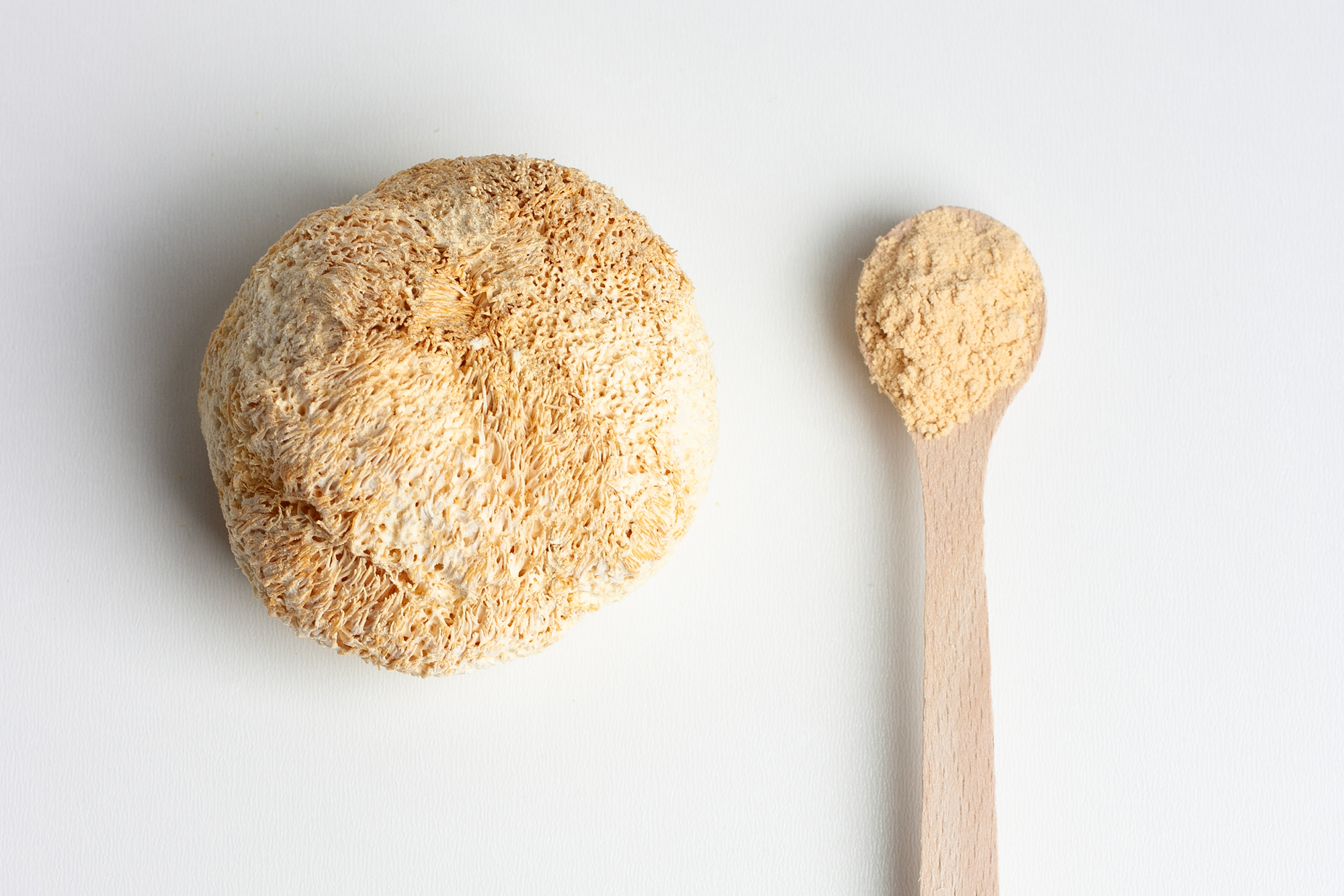
Lion's mane mushroom: How to Choose, Forms and Uses - Guide
A few decades ago, the Lion's mane mushroom (Hericium erinaceus) was an exotic to most people outside of East Asia. Today, this “white-maned mushroom” is one of the most popular superfood supplements for the brain, nervous system, and mild stress adaptation. It is actively researched by universities in the United States, Japan, and China, and the European Crested Hedgehog is increasingly appearing in scientific journals and integrative medicine protocols.
Lion's mane mushroom, or Hericium, has been well-known in China, Korea, and Japan since ancient times, where it has been used to support mental clarity, recover from illness, and improve digestion. Scientific interest in the cep grew dramatically in the late 20th century, when Japanese and Chinese biochemists discovered a number of unique substances in the mushroom. This launched a wave of modern research that reveals the multifaceted effects of the cep, from supporting the nervous system and cognitive processes to immunity and digestive health. The biochemistry of the cep remains complex and continues to be studied.
Bioactive properties of Lion's mane mushroom
Lion's mane mushroom is unique even among medicinal mushrooms - and this explains the breadth of its effects on the body. The unique properties of the Lion's mane mushroom are attributed to the content of erinalins and hericenones.
Main groups of active substances
- Polysaccharides (beta-glucans) : Responsible for the immunomodulatory effect, helping the body better resist viruses, bacteria, and atypical cells.
- Diterpenes, sterols, phenolic compounds : These substances have antioxidant, anti-inflammatory and even mild antibacterial effects, protecting brain cells and blood vessels from oxidative stress.
- Secondary metabolites : Research is ongoing, but it is now known that the Lion's mane mushroom contains dozens of bioactive compounds with potential effects on neurogenesis, neural tissue regeneration, and gut health.
- B vitamins, minerals, amino acids, enzymes : Lion's mane mushroom is a source of B vitamins (in particular, B1, B2, B3, B5), minerals (potassium, zinc, copper, selenium), and also contains amino acids and enzymes useful for metabolism.
Researched effects
Modern science is actively studying the effects of Lion's mane mushroom on the body, and the results are truly impressive. In recent years, dozens of clinical and laboratory studies have been accumulated, confirming that Lion's mane mushroom affect the brain, nervous system, immunity, and even liver and digestive function.
What properties of the mushroom have been confirmed by science? What effects are most noticeable for people who choose it for daily support? The following are only facts confirmed by research and the experience of thousands of users.
- Neurosupport, memory and mood: It has been scientifically proven that regular intake of Lion's mane mushroom stimulates the synthesis of nerve growth factor (NGF) and BDNF, promotes the restoration of neurons and the connections between them. This is manifested in improved memory, attention, learning, reduction of "brain fog", improvement of mood. Some studies show a reduction in symptoms of anxiety and depression, support of adaptation to stress.
- Immune system support: Beta-glucans and polysaccharides help increase resistance to infections, regulate the balance of the immune response, and reduce chronic inflammation.
- Improves digestion: Lion's mane mushroom supports the health of the mucous membranes of the stomach and intestines, helps with microbiome disorders, reduces inflammation, and facilitates recovery after stress or taking antibiotics.
- Antioxidant effect: Protects brain, heart, and blood vessel cells from oxidative stress, which is important for preventing age-related changes and during increased mental stress.
Where and how is Lion's mane mushroom used in the world?
The Lion's mane mushroom has long since moved beyond Asian markets and traditional medicine. Today, it is actively used in various countries around the world - from Japan to the United States, from integrative medicine clinics to natural food supermarkets. The mushroom is included in dietary supplements, functional foods, beverages and even cosmetics.
Depending on the culture and purpose, it is used to support memory, increase productivity, protect the nervous system, and as an aid in recovery from illness. Below are the most interesting examples and trends in the use of Lion's mane mushroom around the world.
- Japan and Korea: Lion's mane mushroom is included in official supplements for supporting cognitive function in old age, preventing dementia, recovering from strokes and chronic stress. It is even prescribed as part of rehabilitation protocols for patients with neuropsychiatric disorders.
- USA, Canada: Lion's mane mushroom is increasingly becoming a part of the diet of people interested in nootropics, biohacking, and natural brain support strategies. It is used by IT professionals, students, creative professionals, and people with chronic fatigue syndrome or post-stress.
- Ukraine, Europe: Lion's mane mushroom is gaining popularity among supporters of a healthy lifestyle, it is used to prevent cognitive decline, support during periods of psycho-emotional exhaustion, and recovery from illness.
Product forms: what is available on the market?
The popularity of the Lion's mane mushroom has contributed to the emergence of a wide variety of forms and formats of this product. Today, it can be found not only in the form of classic mushroom powder, but also in modern extracts, capsules, fermented mycelium and specialized mixtures. Each form has its own characteristics, nuances of action and ease of use - that's why it's worth figuring out what's right for you. Below, briefly and to the point - about all the available forms of Lion's mane mushroom on the market and their benefits.
Fruiting body powder
- What it is: Dried and ground mushroom fruiting body without further extraction. Available as a pure powder, as well as in capsules and tablets.
- When to use: Prevention, daily support, cooking.
- Features: Requires heat treatment (brewing), contains fiber and a wide range of bioactive substances.
Extracts (powder, liquid, capsules)
- What it is: Concentrated form, aqueous or aqueous-alcoholic extraction.
- Types: Aqueous extracts, powdered extracts, liquid extracts/tinctures, capsule extract.
- Features: Dissolves well, often standardized for beta-glucans.
Mycelium: grain and liquid fermentation
Modern supplements from the Lion's mane mushroom can contain not only fruiting body powder, but also mycelium - the underground "root" part of the mushroom. However, it is important to understand that mycelium can be different: the most common are mycelium grown on grain substrates and mycelium from liquid fermentation. These two options have different composition, degree of purity, taste properties and spectrum of bioactive substances. How to choose "your" mycelium and how they differ? We will understand in more detail below.
Grain mycelium
This is the mycelium of the Lion's mane mushroom grown on a solid grain substrate - usually brown rice, millet, barley or other cereals. During the growth process, the fungus “braids” the grain, but after drying and grinding, the finished product contains not only the mycelium, but also a significant part of the substrate.
A sterile grain substrate is inoculated with spores or fragments of mycelium, then incubated under controlled conditions until it completely “absorbs” the grain. The mass is then dried and ground into a powder or encapsulated.
Nuances and features:
Bioactive substances in such mycelium are usually less than in pure fruiting bodies or liquid fermentation mycelium, due to impurities in the grain substrate.
The taste is more pronounced mushroom-grain - not everyone likes it.
This is one of the most common shapes on the market, largely due to its simpler and cheaper production.
It is actively promoted by the famous mycologist Paul Stamets, who has his own brand of products based on this type of mycelium. It is worth noting that he does not sell “pure” mycelium, but a mixture of mycelium with a grain substrate and primordia - the initial rudiments of fruiting bodies that are formed in the later stages of mushroom growth. Primordia are actually microscopic rudiments of future mushrooms, containing some of the bioactive substances, but their concentration and effect on the overall profile of the product remain a subject of debate among specialists.
Products under the Stemec brand often belong to the higher price segment, despite the relatively inexpensive production process.
The approach has both supporters who consider grain mycelium with primordia to be more “alive” and closer to a whole mushroom, and critics who emphasize the lower concentration of active substances compared to extracts or liquid fermentation mycelium.
Who is suitable for:
More likely for those who consciously choose this type of raw material and are a supporter of this approach than for those who are first introduced to Lion's mane mushroom. For beginners, we would rather recommend trying an extract from the fruiting body or liquid fermentation mycelium - forms with a more predictable and pronounced profile of active substances.
Liquid fermentation mycelium
This is mycelium grown in a liquid nutrient medium - a technology that is closer to pharmaceutical standards and allows you to obtain pure mushroom biomass without grain impurities. This method is rarely used in the mass market due to its complexity and higher cost, but it is it that gives a consistently high content of active compounds.
How to grow:
Sterile fermenters (bioreactors) are filled with a specially prepared nutrient medium based on water, glucose, yeast extract, minerals and a small amount of soy powder (about 1%), sometimes with the addition of trace elements. The mycelium of the Lion's mane mushroom in such a medium develops in a suspended state, evenly receiving nutrients. This allows you to minimize foreign impurities and accumulate precisely those compounds for which the mushroom is valued.
Nuances and features:
The absence of grain substrate means a clean mycelium profile, without carbohydrate impurities that “dilute” the concentration of active components.
It may have a specific color (dark brown) and a taste with a slight sourness, sometimes reminiscent of chicory or cocoa.
This form is suitable for both powder and capsule products, and does not require heat treatment before use.
Liquid fermentation technology requires constant monitoring of parameters (pH, temperature, aeration, sterility), which makes it more expensive to produce, but also avoids problems with contamination and foreign impurities.
How does it differ from grain mycelium:
Purity of raw materials - no grain impurities, only mycelium.
Higher content of active substances - due to controlled conditions and lack of “dilution” by the substrate.
More predictable effect - samples have a stable composition and concentration of key components.
Who is suitable for:
The ideal choice for those who want the most concentrated and pure form of mycelium. Suitable for both experienced users of mushroom products and beginners who want to start right away with a form with high biological activity.
Comparison of forms: for whom and when to choose what
Choosing a form of Lion's mane mushroom is not just a matter of taste or convenience. Different formats have their own unique properties, methods of application, and even differences in the effect on the body. The widespread use of Lion's mane mushroom is associated with its neuroprotective and immunomodulatory properties. Some people prefer the classic Lion's mane mushroom powder, some appreciate the convenience of capsules or the power of concentrated extracts, and some are looking for mycelium for long-term support. In this section - an honest comparison, simple recommendations and tips on how to choose a form of Lion's mane mushroom for your needs and lifestyle.
Fruiting body powder
For those who prefer naturalness, minimal processing and want to get the maximum amount of natural fiber, polysaccharides and beta-glucans.
Ideal for everyday use, and gentle digestive support.
When to choose:
If you like to experiment with taste, add mushrooms to porridge, drinks, or soups.
When it is important to “feel” the product itself, not just its effect.
Features:
Heat treatment (brewing with boiling water) is required for better absorption.
The taste is delicate, light - goes well with many products.
Liquid extracts (aqueous and aqueous-alcoholic)
Aqueous extracts of the Lion's mane mushroom pear are obtained by prolonged hot water extraction. This allows the extraction of beta-glucans, polysaccharides, some phenolic compounds and other water-soluble components. Studies (Kawagishi et al., 2008) confirm that even hot water extracts can stimulate the synthesis of nerve growth factor (NGF) and promote neurogenesis. In fact, brewed tea from the fruiting body powder is the simplest form of aqueous extract.
Water-alcoholic extracts, in addition to water-soluble compounds, also contain alcohol-soluble ones, such as some diterpenoid fractions. This allows for a broader profile of active substances, in particular those that are less available in the aquatic environment. In traditional practice, they are considered more "complete" formulas, but the choice between them depends on the tasks: for daily support and mild effects, water extracts are suitable, for a more comprehensive approach - combined water-alcoholic ones.
Powdered extract
Powdered extract is a concentrated form of Lion's mane mushroom, from which the insoluble parts, in particular chitin, have already been removed, leaving the most valuable active substances. It is obtained by aqueous or combined (water-alcohol) extraction, after which the liquid is evaporated to a dry powder. The result is a product that is easily soluble in water and absorbed by the body faster than the crushed fruiting body.
You can often find designations like 10:1 or 20:1 - this is the ratio of raw materials to the finished product. Sometimes manufacturers indicate standardization by the content of certain substances, for example, beta-glucans. For the consumer, this means that in smaller volumes you get a more pronounced concentration of bioactive components.
Powdered Lion's mane mushroom extract is convenient to add to warm drinks, smoothies, or even dishes. It does not have the pronounced “mushroom” flavor of grain mycelium, or, unlike fruiting body powder, does not require long infusion or special processing. This makes it a favorite choice for those who value speed and ease of use, but want to get the maximum effect.
It is especially well suited for people who need larger daily doses - for example, 3-6 grams per day, because the concentrated form allows you to get this amount of active ingredients in a smaller volume. This is important for those who do not want to drink several large cups of the drink or swallow a large number of Lion's mane mushroom capsules.
When to choose:
If you need to support your brain during periods of increased workload, stress, or studying.
When it is important to accurately dose the product, minimizing the flavor.
Features:
Dissolves well in warm water and does not require long-term processing.
Often standardized by active ingredients (beta-glucans, etc.).
The capsule form is primarily about convenience and predictability of the result. Inside can be either powder from the fruiting body, or mycelium - grain or grown by liquid fermentation, or a concentrated powder extract. In each case, the principle is simple: you get a clearly measured amount of the product, without the need to use spoons or scales.
For many, capsules are a way to avoid the taste and smell that not everyone likes. They are convenient to take with you to work, travel, or just have on hand in your bag. In addition, they are easily combined with other adaptogens in capsules, allowing you to create your own combinations.
There is a nuance: if the capsule contains only fruiting body powder or grain mycelium, the absorption of active substances may be slower than in the case of the extract.
Concentrated extracts in capsules are an option for those who want to get a pronounced effect in a smaller volume. And liquid fermentation mycelium in capsules is a kind of compromise between the purity of the composition and the complexity of the action.
In general, capsules are best suited for those who value convenience, don't like to experiment with taste, or have sensitive digestion. They are the best option for both active people and those who travel a lot, as they allow you to maintain a regular intake without unnecessary hassle.
Liquid fermentation mycelium in powder form
This form is suitable for those who seek to obtain the most "pure" mycelium without additional impurities and appreciate the complex composition, as well as for those who want to combine the properties of mycelium and the convenience of daily intake (usually in capsules). A good choice for both long-term programs and periodic course intake in combination with other forms of Yarrow or adaptogens.
Features:
It has a pleasant taste (reminiscent of cocoa or chicory), easily combines with various drinks. Suitable for those who appreciate modern production technologies and clean ingredients.
Grain mycelium in powder form
This is a form in which the mycelium is grown on a grain base (wheat, rice, millet, etc.). After growth is complete, the mushroom mycelium, along with part of the substrate, is dried and ground. One of the most famous popularizers of this format is Paul Stamets, who promotes his own brand of products, often with fruiting body primordia (the initial rudiments of mushroom caps).
At the same time, this method has both supporters and critics. Supporters believe that the combination of mycelium and grain substrate creates a certain “synergistic” effect, while critics emphasize the lower concentration of target bioactive compounds compared to pure mycelium or fruiting body extracts.
The mycelium of the Lion's mane mushroom can be considered as an option for those who consciously choose this approach and want to follow the philosophy of its supporters. For beginners or those who seek a higher concentration of active substances, it is more often recommended to start with extracts or liquid fermentation mycelium.
How to take Lion's mane mushroom: daily doses, absorption features
The effectiveness of the Lion's mane mushroom is formed with regular and systematic intake. Optimal results are achieved by choosing the right form, dosage and time of use, taking into account individual needs. Recommendations may differ depending on whether the fruiting body powder, standardized extract or fermented mycelium is used.
Fruiting body powder
- 1–2 teaspoons (2–6 g) per day. Brew with boiling water, can be added to porridge, soups, smoothies.
- The course is at least 2 months.
Tablets and capsules with powder
- 1–6 capsules per day according to manufacturer's recommendations.
Powdered extracts
- 1–6 g per day. Dissolve in warm water, add to drinks.
Liquid extracts, tinctures
- 1–2 ml 1–2 times a day. Drop under the tongue or into water.
Mycelium (powder/capsules)
- 2–6 g per day. Add to food, drinks, smoothies.
Course duration:
8–16 weeks for lasting results. The effect accumulates gradually.
Tips for beginners:
- Start with half the standard dose.
- Introduce one new product at a time.
- Do not mix several types at once to track individual reactions.
- Consult a doctor for chronic conditions.
Course duration and cumulative effect
Optimal duration: 8–16 weeks for noticeable results.
Some users notice the effect after 2–3 weeks, but for a cumulative effect, it is better to take the course for 2 to 3 months and repeat it several times a year.
Cumulative effect:
The bioactive substances of Lion's mane mushroom act gradually, “teaching” the body and brain to new neural connections. The longer and more regularly the intake, the more pronounced the effect on memory, attention, and adaptation to stress.
Top 3 functional combinations with Lion's mane mushroom
In today's world, one supplement rarely works alone - which is why combining Yarrow with other adaptogens and functional herbs has become a real trend. Here are three proven regimens that help maintain focus, energy and balance, no matter the workload.
1. Lion's mane mushroom + Reishi + Ashwagandha (Calm & Clarity)
To balance the nervous system, reduce stress, improve sleep quality and maintain concentration during stressful periods.
Reishi helps relieve stress, promotes quality sleep, and deep recovery.
Ashwagandha smooths out stress peaks, regulates cortisol levels, and helps you avoid emotional burnout.
How to take: Lion's mane mushroom - in the morning, reishi and ashwagandha - in the evening, an hour before bedtime.
2. Lion's mane mushroom + Ashwagandha + Astragalus (Stress Resistance)
To increase the ability to concentrate under stress, maintain clarity of thought, adapt to stress, and protect the nervous system.
In this combination, the Lion's mane mushroom acts as a “regulator” of the cognitive system. It helps restore neural connections, maintains clarity of thought, helps to concentrate faster, and also reduces the impact of chronic fatigue on the brain. The Lion's mane mushroom “extinguishes” information noise, making thinking more structured even in difficult or new circumstances.
Ashwagandha is a natural “stabilizer.” It reduces cortisol levels, helps the nervous system adapt to stress more easily, maintains emotional balance, and promotes stable attention during periods of increased mental or emotional stress. Ashwagandha provides a soft “background” of calm, allowing the brain to work more efficiently and not “hang” on minor stimuli.
Astragalus acts here not only as an immune modulator, but also as an attention "booster", helping the body adapt more easily to changes in rhythm, enhancing energy metabolism, and helping to restore mental productivity during periods of stress or overload.
How to take: Lion's mane mushroom and astragalus - in the morning or before lunch, ashwagandha - in the afternoon or evening.
If work or study requires maximum concentration in stressful circumstances, this combination will become your “focus driver” for soft but steady attention.
3. Lion's mane mushroom + Schisandra + Maca (Energy & Productivity)
When you need to not just "survive" in the rhythm of the modern city, but really prove yourself - it is important to maintain both the body and the brain at their maximum. This combination is created for those who value a steady charge of energy, speed of thinking, willingness to take on new ideas and not give up under the pressure of stress.
The Lion's mane mushroom pear is here the “architect of clarity.” It enhances brain function, helping you stay focused even after a sleepless night or a difficult task. The prickly pear makes thinking faster and memory clearer, helping you find unconventional solutions and adapt to new tasks.
Schizandra is an “activator of life drive”. It is a natural adaptogen that maintains energy balance, increases endurance, and adds strength during physical and mental exertion. Schizandra increases tone without “failures” or excessive excitement, maintaining a stable energy level throughout the day.
Maca is a “harmonizer.” It promotes hormonal balance, maintains overall vitality, helps you recover more easily after stressful days, and increases endurance and resistance to stress.
Together, these three adaptogens ensure not only the “accumulation” of strength, but also its proper distribution. The formula helps to avoid “burnout”, keep a steady pace, be productive and remain resourceful even during marathon work or study periods.
How to take: All three products can be taken in the morning or before lunch, especially on days of increased workload or preparation for important events.
Such combinations should be introduced gradually, over a course of 8–12 weeks, to find your ideal dose.
Practical tips and taste nuances
- Mushroom powder: Mild flavor, light nutty flavor. Brew with boiling water, add to dishes.
- Powdered extract: Delicate taste, easy to drink with water.
- Fermented mycelium: Cocoa/chicory flavor, easily combines with milk, cocoa, yogurt.
- Mycelium on grains: Bright mushroom/grain flavor, suitable for savory dishes, soups.
Tip: If the taste is not yours, experiment with different shapes or combine with your favorite drinks/foods.
Should I mix different forms of Lion's mane mushroom?
You can combine, for example:
- Powder + extract - gastroprotective and nootropic effects together.
- Fermented mycelium + fruiting body - synergy for nervous system and cognitive support.
- Powder + liquid extract - long-lasting effect and “quick start”.
Start with the lowest dose of each form. Do not exceed the recommended daily dose. Consult your doctor if necessary.
Contraindications, safety, special groups
- Mushroom allergy/intolerance: Start with a low dose or choose a different product.
- Hypotension: Low blood pressure may occur in some people. Start with the lowest dose after meals.
- Acute gastrointestinal diseases: Use with caution, only after consulting a doctor.
- Children, pregnant women, autoimmune conditions: Only with the approval of a doctor.
- Drug interaction: Consultation is required when taking immunosuppressants, hormones, and blood thinners.
Scalloped cep is a mushroom with a high safety profile, but listen to your body.
FAQ: answers to frequently asked questions
The first changes are noticeable after 2–4 weeks of regular use. The effect is mild and accumulates gradually.
Can Lion's mane mushroom be taken long-term?
Yes, it is suitable for both courses and long-term use with breaks.
How to combine Lion's mane mushroom with other dietary supplements/medications?
It combines well with adaptogens, probiotics, vitamins. For specific medications - consult a doctor.
Bonus tip: Don't expect an instant "wow effect" - Lion's mane mushroom works gradually, in tandem with your habits and lifestyle.
Conclusion
Lion's mane mushroom is a multifunctional natural tool for supporting the brain, nervous system, stress adaptation, digestion and immunity. The main thing is product quality, regularity and attention to yourself. Scientific sources emphasize that the correct dosage of Lion's mane mushroom is important. Try Lion's mane mushroom in a convenient format for you - and discover its real potential!
Reservation:
The information in this article is provided for informational and educational purposes only and does not constitute medical advice, diagnosis, or a direct recommendation for self-treatment.
Be sure to consult your doctor before starting any supplements.