Your liver works around the clock. Every medication you take, every drink you have, every environmental toxin you encounter - it all flows through this organ. Naturally, people want to know how to support it. So do the nutritionists, herbalists, and integrative health practitioners who field these questions every day.
In 2015, a group of American scientists received the Lasker Award - one of medicine's most prestigious honors - for discovering how liver cells protect themselves from damage within. It turns out that inside each hepatocyte there's a kind of internal switch. When it's activated, the cell begins producing its own protective molecules and handles toxic stress far more effectively.
When researchers began asking what flips this switch in natural compounds, the list of candidates included ingredients with centuries of traditional use for liver conditions. Milk thistle, from ancient Greek and Roman medicine. Schisandra and reishi, from Chinese. Antrodia, an endemic mushroom from Taiwan used traditionally for poisoning and liver disease. Different cultures, different centuries, similar conclusions - arrived at through observation alone. Science has since explained why.
This article covers what's known today: which natural hepatoprotective compounds have been studied, how they work, where the evidence is solid, and where research is still unfolding.
What Are Hepatoprotective Compounds?
Hepatoprotective compounds are substances that support liver function and help its cells handle stress. Every day, the liver neutralizes what comes in from outside - medications, alcohol, food-derived toxins, environmental pollutants. Under prolonged or excessive load, hepatocytes sustain damage. Hepatoprotective agents work on multiple levels: reducing oxidative stress within cells, supporting their capacity for self-repair, and helping the body clear toxic byproducts more efficiently.
The category includes both pharmaceutical compounds and natural-origin substances from plants and mushrooms. This article focuses on the second group: what's known about their mechanisms, where the evidence base stands today, and where it's still being built.
How the Liver Defends Itself - and Where It Needs Support
The liver is the only human organ with a confirmed regenerative capacity. It can rebuild up to 70% of its mass following damage. But this ability has limits. Under chronic stress, those repair mechanisms gradually wear out.
Liver damage develops through several distinct processes - and often through their combination.
Oxidative stress. As the liver neutralizes toxins, hepatocytes generate free radicals as a byproduct. When their output exceeds what cells can neutralize, membrane damage begins.
Chronic inflammation. Sustained inflammation in liver tissue progressively destroys cells. When it doesn't resolve, it sets the next process in motion.
Fibrosis. When inflammation persists unchecked, specialized cells activate and begin replacing healthy liver tissue with scar tissue. Fibrosis is the intermediate stage between chronic liver injury and cirrhosis.
Impaired detoxification. The liver neutralizes toxins in two phases. In phase one, it converts them into intermediate forms - often more reactive than the originals. In phase two, it binds these intermediates for excretion. When phase one is overwhelmed and phase two can't keep up, reactive intermediates accumulate and add to cellular damage.
Steatosis. Under metabolic stress - excess dietary fat, sugar, alcohol - hepatocytes begin accumulating lipid droplets. Non-alcoholic fatty liver disease (NAFLD) is now one of the most common liver conditions globally, and it can progress through inflammation to fibrosis.
The gut-liver axis. The liver receives blood directly from the intestine via the portal vein. When intestinal barrier integrity is compromised, bacterial toxins enter the portal circulation and create additional inflammatory load on the liver.
Hepatocyte death. When damage exceeds a cell's defensive capacity, it dies. This is precisely what blood tests measure: elevated ALT and AST (liver enzymes) reflect hepatocyte death and the leakage of cellular contents into the bloodstream. When studies report reductions in these markers, they're confirming that cells are surviving.
Different natural ingredients in this article target different points in this list. That's the case for combining several of them - broader liver support than any single compound can offer.
Deeper dive: cellular mechanisms for practitioners
Inside every hepatocyte is an early-warning system. When a cell detects excessive stress - toxins, free radicals, inflammatory signals - it can activate a protective cascade that produces neutralizing molecules. This cascade is regulated by a protein called Nrf2. Most of the natural hepatoprotective agents in this article work by activating it - each through a different molecule, but the downstream effect is similar: the cell becomes significantly better at protecting itself.
In parallel, there's an inflammatory mechanism. Liver injury activates NF-κB, which triggers the production of inflammatory signals. Chronic activation of this pathway gradually destroys liver tissue. Most of the compounds discussed here suppress this inflammatory cascade and reduce pro-inflammatory cytokine levels in hepatic tissue.
Kupffer cells deserve a specific mention. These are the liver's resident macrophages - its frontline immune defense - and simultaneously a key driver of inflammation in chronic liver disease. When overactivated, Kupffer cells produce TNF-α, IL-6, and free radicals, fusing the inflammatory and oxidative stress pathways into a single destructive loop. Gut-derived bacterial toxins activate them preferentially. Most anti-inflammatory compounds in this article reduce Kupffer cell overactivation - each through a distinct molecular pathway.
Fibrosis develops through the activation of hepatic stellate cells, which transform and begin producing excessive collagen. This process is regulated by the TGF-β1 signaling pathway. Several ingredients in this article act specifically on this pathway, slowing the scarring process.
The liver's detoxification system operates in two phases. Phase I converts toxins into more water-soluble forms. Phase II conjugates these forms with carrier molecules for excretion. Certain natural compounds modulate the enzymatic activity of both phases - an effect that can be beneficial, or clinically significant when combined with medications.
Plants
Milk Thistle (Silybum marianum) - The Longest Track Record
Among all natural hepatoprotective agents, milk thistle has the deepest clinical dossier. The ancient Greek physician Dioscorides and Roman naturalist Pliny both documented its use for liver conditions and poisonings in the first century CE. Modern science has since unpacked the mechanisms behind what centuries of observation had already established.
The active complex in milk thistle is silymarin - not a single molecule, but a family of related flavonolignans extracted from the plant's seeds. Its most studied component is silybin.
Silymarin works on several levels simultaneously. It amplifies the liver's own antioxidant defenses and damps down chronic inflammation. But it also has a mechanism that sets it apart from everything else on this list: it blocks specific transport proteins on the surface of hepatocytes - the same proteins that toxins use to gain entry. Block the door, and the cell is protected before damage even begins. This is precisely why silymarin has shown efficacy in death cap mushroom (Amanita phalloides) poisoning, one of the most lethal natural hepatotoxins.
In human studies: a systematic review of 29 controlled clinical trials involving over 3,800 participants confirmed significant reductions in ALT and AST (liver enzymes) with silymarin use. The most consistent effect was seen in non-alcoholic fatty liver disease. Results in alcoholic liver disease exist but are more modest. In viral hepatitis, the data are mixed.
Silymarin is the active ingredient in several medications registered in Ukraine's State Drug Register - one of the very few plant-derived hepatoprotective compounds with that regulatory status in the country.
One practical consideration: milk thistle affects the liver enzymes responsible for metabolizing many medications. If you're taking prescription drugs regularly, this interaction is worth discussing with your doctor before starting silymarin supplementation.
How to use it. A standardized extract containing 70-80% silymarin delivers predictable results regardless of batch variation. Ground seed powder also contains silymarin, but at lower concentration. Silymarin is fat-soluble, so taking it with a small amount of dietary fat meaningfully improves absorption. One important note about milk thistle oil: when the seeds are cold-pressed for oil, silymarin stays behind in the press cake - it doesn't transfer to the oil. Milk thistle seed oil has its own nutritional value, but for liver support, you need the extract or ground seeds, not the oil.
Deeper dive: evidence base and mechanisms for practitioners
Silymarin is a mixture of flavonolignans: silybin A and B, isosilybin A and B, silychristin, silydianin. Silybin accounts for 50-70% of the mixture and is the most biologically active component. Standard silymarin has limited bioavailability due to poor water solubility.
Toxin-blocking mechanism: silymarin inhibits OATP transporters on the hepatocyte membrane - the same proteins through which Amanita phalloides amatoxins enter the cell. A retrospective analysis of 205 poisoning cases (1971-1980) documented improved survival with silibinin administration. In 2007, the FDA granted approval for intravenous silibinin in poisoning cases in the United States.
Clinical evidence base: meta-analysis of 29 controlled trials (3,846 participants) - significant ALT reduction in NAFLD. In alcoholic cirrhosis - one meta-analysis showed reduced liver-related mortality (10.0% vs 17.3% with placebo, p=0.01). In hepatitis C - a large study (JAMA, 2012) showed no significant effect on histological activity.
Drug interaction note: silymarin modulates CYP3A4 and CYP2C9 activity. Mandatory interaction screening for patients on regular medications. Clinically significant consideration when developing nutritional protocols for patients on pharmacotherapy.
Artichoke (Cynara scolymus) - A Surprisingly Strong Evidence Base
The artichoke most people know is the edible heart. But the part that matters for liver health is the leaf - the part that never makes it to the dinner plate. Ancient Greeks and Romans used artichoke for digestive and liver complaints, particularly after overindulgence. Dioscorides documented it in the first century CE. Modern research has validated that tradition - and revealed one of the strongest clinical evidence bases among the plant-derived hepatoprotective agents in this article.
The leaf's primary active compound is cynarin, alongside chlorogenic acid and flavonoids. Together, they reduce oxidative stress on hepatocytes and suppress the inflammatory background in liver tissue.
Artichoke also stimulates bile production and secretion. This accelerates the clearance of dietary fats and metabolic waste products - the liver, in effect, processes its workload faster. That's why artichoke has been eaten after heavy meals for millennia, and why it has one of the strongest clinical evidence bases among plant-derived liver support ingredients in this article.
One important note: if you have gallstones or impaired bile flow, this choleretic effect may be unwanted. In those cases, consult a doctor before using artichoke extract regularly.
In human studies: a randomized, double-blind trial in 60 patients with non-alcoholic steatohepatitis showed significant reductions in ALT and AST compared to placebo, alongside decreases in triglycerides and total cholesterol. A meta-analysis confirmed the effect in fatty liver disease. For a natural ingredient, this is an unusually high level of confirmation in humans with a specific clinical condition.
How to use it. Leaf extract is the form with confirmed efficacy - not the edible heart, which contains minimal cynarin or chlorogenic acid. Can be taken with or without food; no specific requirements. Artichoke leaf tea delivers lower and less predictable concentrations of active compounds than a standardized extract.
Deeper dive: mechanisms and evidence for practitioners
Cynarin (1,3-O-dicaffeoylquinic acid) and chlorogenic acid are the primary polyphenols in artichoke leaf. They activate antioxidant enzymes in hepatocytes - glutathione peroxidase and superoxide dismutase - and reduce oxidative stress markers. The mechanism partially overlaps with the Nrf2 pathway through their polyphenol profile.
Choleretic effect: artichoke increases bile volume and secretion rate, improving clearance of lipid-soluble toxins and modulating enterohepatic bile acid circulation. Beneficial under metabolic liver stress - requires caution in gallbladder disease.
Clinical base: Panahi et al. RCT (60 NASH patients, artichoke leaf extract 2,700 mg/day, 2 months) - significant ALT and AST reduction vs placebo (p<0.001), with triglyceride and total cholesterol decreases. Kamel and Farag meta-analysis (Journal of Medicinal Food, 2022) confirmed the liver enzyme effect in NAFLD.
Practitioner note: choleretic action is contraindicated in bile duct obstruction. In cholelithiasis, increased pressure against a gallstone can provoke a pain episode. When developing protocols for patients with gallbladder history, confirm current status before recommending.
Schisandra (Schisandra chinensis) - From Folk Medicine to Clinical Practice
In China, schisandra is called the "five-flavor berry" - it tastes simultaneously sour, sweet, bitter, pungent, and salty. Traditional Chinese medicine has used it for over two thousand years, including for liver support in states of exhaustion and weakness.
Among all the ingredients in this article, schisandra holds a distinctive clinical position: in China, standardized pharmaceutical preparations based on it are officially incorporated into clinical protocols for drug-induced liver injury. That applies specifically to pharmaceutical forms, not food products. But the fact of clinical adoption speaks to the level of mechanistic validation behind it.
The key actives are lignans - schisandrin A, B, and C, along with gomisin compounds. These molecules are unique to the genus Schisandra; they don't appear in other plants or fungi. They protect hepatocytes through several independent pathways simultaneously.
In studies: a systematic review and meta-analysis of 54 animal studies (Frontiers in Pharmacology, 2025) confirmed significant reductions in liver injury markers across multiple types of toxic challenge. Clinical data from pharmaceutical preparations in drug-induced liver injury also exists - but applies to standardized formulations, not food-grade products. These two contexts shouldn't be conflated.
Practically speaking, schisandra is most relevant in two situations. First, when the liver faces consistent high toxic load - prolonged medication use, frequent alcohol intake, chemical occupational exposure. Second, as systemic support for those looking to reinforce the liver's intrinsic antioxidant defenses. Schisandra's lignans simultaneously strengthen cellular protection from within and dampen inflammation - a combination that makes it one of the most multi-layered plant-based liver support ingredients available.
One practical note: schisandra affects the liver enzyme system responsible for metabolizing many medications. This interaction warrants attention and coordination with your doctor when on long-term drug therapy.
How to use it. Berry extract or fruit powder. Can be brewed in hot water - lignans partially extract into liquid. An alcohol tincture is also a valid form; schisandra's lignans transfer well into ethanol. The taste is distinctly sour - many people combine it with honey or take it as part of an herbal blend. No meaningful difference in absorption with or without food.
Deeper dive: mechanisms and evidence for practitioners
Schisandra's lignans are a unique molecular class absent from other plants. They act on hepatocytes through several independent pathways: Nrf2-mediated amplification of intrinsic antioxidant defense, suppression of the inflammatory signal via TNF-α, IL-6, and IL-1β reduction, and regulation of lipid metabolism to limit fat accumulation in liver cells.
Meta-analysis of 54 animal studies (Frontiers in Pharmacology, 2025) demonstrated stable and significant ALT and AST reduction across diverse toxic challenges - the largest systematic review on schisandra in this context to date.
Clinical data from pharmaceutical preparations in drug-induced liver injury in China confirm reductions in liver enzymes and bilirubin. However, these apply to standardized formulations with fixed concentrations - not food-grade products. The mechanistic rationale for food-grade extracts exists; direct clinical translation does not.
Schisandra modulates the CYP450 enzyme system involved in drug metabolism. In patients on regular pharmacotherapy, this warrants attention - particularly when developing nutritional protocols.
Turmeric (Curcuma longa) - Strong Evidence Base, One Important Note
Turmeric is one of the most extensively studied plants for liver health in this entire article. The root's yellow pigment - curcumin - has been investigated in dozens of clinical trials, most of them focused specifically on fatty liver disease.
Curcumin acts through several pathways at once. It reduces oxidative stress in hepatocytes, suppresses chronic inflammation, and intervenes in fat accumulation within liver cells. There's also an antifibrotic effect - in studies, curcumin slowed the activation of the cells responsible for scarring liver tissue.
In human studies: a randomized, double-blind trial showed liver fat content reduction of 78.9% in the curcumin group versus 27.5% in the placebo group. A meta-analysis of 14 clinical trials confirmed significant ALT and AST reductions in NAFLD patients. Separate studies have shown reduced fibrosis with regular use.
There's one important thing to know before starting. Turmeric stimulates gallbladder contractions and increases bile production. For a healthy gallbladder, this is a useful effect. For someone with gallstones, it can trigger a pain episode. If you have any history of gallbladder or bile duct issues, speak with your doctor before using curcumin supplements regularly.
How to use it. Curcumin on its own has poor bioavailability - it's fat-soluble and poorly water-soluble. Absorption increases significantly when taken with dietary fat or combined with piperine, the active compound in black pepper. The traditional pairing of turmeric with fatty milk or coconut oil has direct biochemical justification. A standardized phytosomal curcumin extract resolves the absorption problem without requiring additional compounds.
Deeper dive: mechanisms and evidence for practitioners
Curcumin activates the Nrf2 pathway and increases endogenous glutathione synthesis in hepatocytes. It simultaneously suppresses NF-κB and reduces TNF-α and IL-6 levels. The antifibrotic mechanism works through inhibition of the TGF-β1/Smad signaling pathway - the same pathway as cordyceps, but through a different molecule.
Clinical base: meta-analysis of 14 controlled trials (Food Science & Nutrition, 2024) - significant ALT (WMD -8.72) and AST (WMD -6.35) reduction in NAFLD. Controlled trial on fibrosis (16 weeks, nano-curcumin) confirmed fibrosis reduction by ultrasound assessment. One study (2019, 50 patients) found curcumin plus lifestyle modification was not superior to lifestyle modification alone - the evidence base is heterogeneous.
Curcumin's poor water solubility limits how much active compound the body actually absorbs. Research shows that combining curcumin with certain fats or other natural compounds improves absorption. This is worth factoring into product selection.
Regarding the gallbladder: using turmeric as a kitchen spice is one context. Regular supplementation with concentrated extracts is another. Any personal or family history of gallbladder or bile duct conditions warrants a conversation with a doctor first. For everyone else, concentrated curcumin is a well-researched and generally well-tolerated ingredient.
Dandelion (Taraxacum officinale) - The Overlooked Weed with a Long Reputation
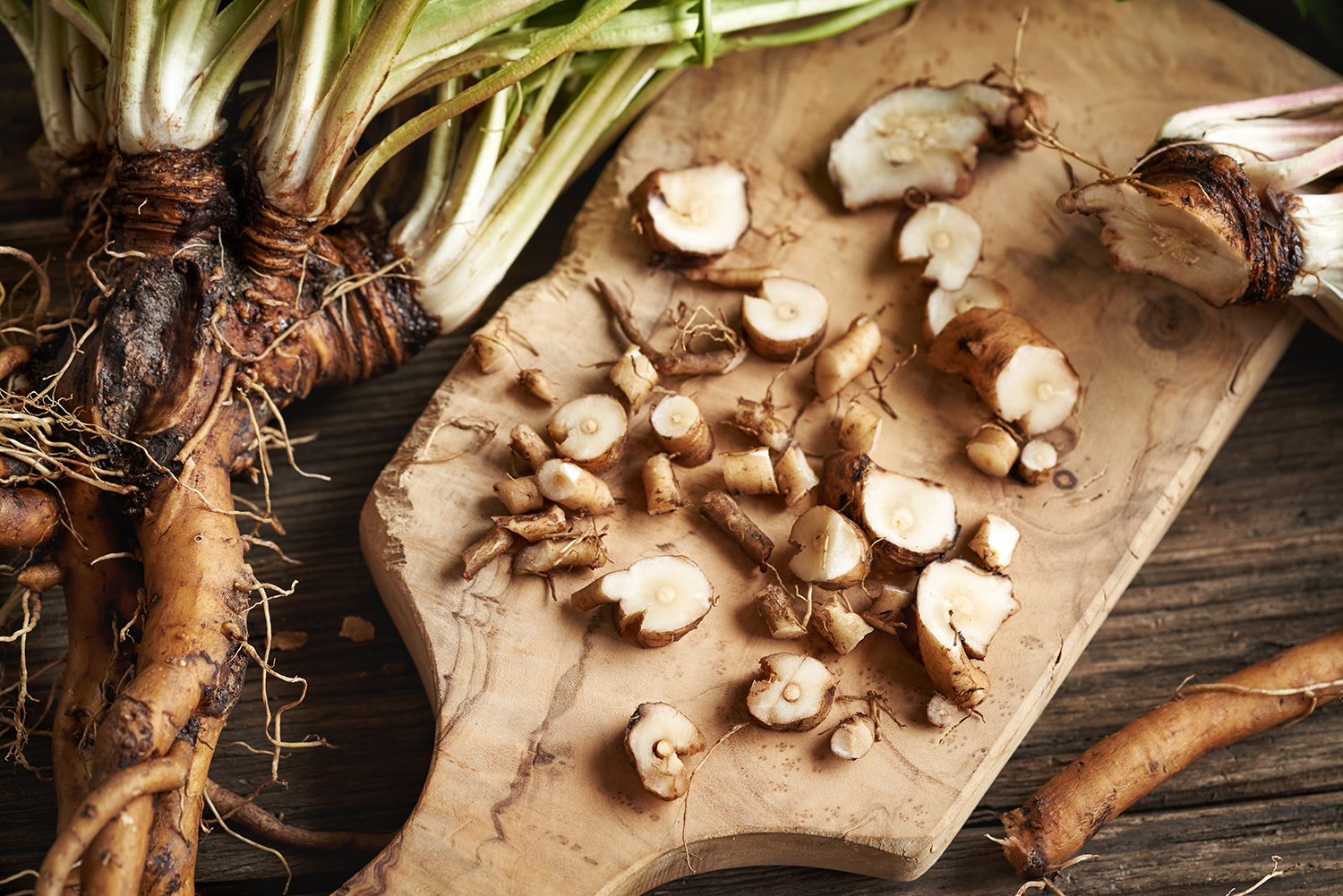
Dandelion grows everywhere - in gardens, along roadsides, in vacant lots. That ubiquity works against it: familiarity breeds dismissal. But in tenth-century Arabic medicine, Avicenna described dandelion root as a treatment for liver and spleen conditions. Traditional Chinese medicine has referenced it since the seventh century. The research is now explaining why that reputation endured for over a millennium.
Dandelion supports liver function through three independent mechanisms simultaneously.
First, it stimulates bile production and secretion. Bile is essential for digesting fats and clearing metabolic waste products. When bile flows regularly, the liver is less burdened and detoxification functions more efficiently.
Second, it reduces inflammation and supports hepatocyte integrity. Taraxasterol - the root's primary active compound - has been shown in studies to reduce inflammatory markers in liver tissue and slow scar formation under chronic stress. In acetaminophen-induced liver injury models, it restored liver function markers and reduced indicators of cell damage.
Third, it supports the gut microbiome. The root's inulin feeds beneficial intestinal bacteria. A balanced microbiome reduces the volume of toxins entering the liver from the gut via the portal vein - which directly reduces the organ's inflammatory burden.
The cumulative result: dandelion simultaneously supports three distinct aspects of liver function - bile drainage and detoxification, reduced tissue inflammation, and microbiome health. That's what makes it compelling as a daily dietary ingredient rather than a targeted supplement.
Before starting: dandelion actively stimulates the gallbladder, prompting more frequent and forceful bile ejection. For a healthy gallbladder, that's beneficial. For anyone with gallstones or bile flow obstruction, this effect can provoke a pain episode. Those with chronic kidney disease should discuss concentrated dandelion preparations with their doctor due to the elevated potassium content. In the absence of these conditions, dandelion root is a safe and well-tolerated botanical ingredient.
One interesting practical note: dandelion is one of the very few natural substances with confirmed diuretic effects in human trials. Unlike most diuretics, it doesn't deplete potassium - because it's a rich potassium source in its own right.
How to use it. The root is the part with hepatoprotective potential. It can be brewed as a tea or taken as an extract. An alcohol tincture of the root is also valid - the bitter compounds extract well into ethanol. The bitter taste in the tea or tincture isn't a flaw; it's the signature of the active compounds that stimulate bile flow. Capsules of ground root work primarily as an inulin source - the reflex-driven choleretic effect isn't activated when the bitters bypass the tongue. Fresh juice or products made from dandelion leaf and flower have a predominantly diuretic and antioxidant profile. For liver-specific support, the root is the more relevant part.
Deeper dive: mechanisms and evidence for practitioners
Dandelion root polysaccharides (DRP1 and DRP2) activate the Nrf2 pathway and stimulate synthesis of antioxidant enzymes - SOD, catalase, and glutathione peroxidase. In acetaminophen-induced toxicity models, they restored intracellular glutathione levels and neutralized reactive metabolites.
Taraxasterol reduces TNF-α and IL-6 levels in liver tissue and suppresses hepatic stellate cell activation - the same cells responsible for fibrosis-driving collagen production. This mechanism overlaps with the antifibrotic profiles of cordyceps and curcumin, but through a different molecule.
Dandelion root inulin is a substrate for short-chain fatty acid production in the colon - notably butyrate. This supports intestinal epithelial barrier integrity and reduces bacterial toxin entry via the gut-liver axis.
Evidence level: predominantly animal models and cell studies. One pilot human study confirmed the diuretic effect of leaf extract. No controlled human trials for liver-specific outcomes yet. An active research front - the Pharmaceuticals 2025 review systematically characterizes taraxasterol's hepatoprotective properties.
Beetroot (Beta vulgaris) - From the Borscht Pot to the Hepatocyte
Beetroot doesn't need an introduction. It's been a staple of traditional Central and Eastern European cooking for centuries. What most people don't know is that it's one of the very few everyday foods with a confirmed hepatoprotective potential at the level of controlled clinical trials.
The active compounds aren't in the starchy flesh - they're in the pigments. Beetroot contains betalains, a unique class of water-soluble pigments not found in any other plant in this article. They're responsible for the characteristic deep red color. Alongside betalains: betaine and polyphenols.
Betalains reduce oxidative damage to liver cells and suppress the inflammatory background. Betaine supports lipid metabolism in the liver - it reduces fat accumulation in hepatocytes and helps maintain a healthy blood lipid profile.
In human studies: a randomized controlled trial in NAFLD patients showed that regular beetroot extract consumption significantly reduced cholesterol, LDL, and inflammatory markers - CRP and TNF-α. A separate study confirmed reductions in glucose and lipid levels in fatty liver patients with daily beetroot juice intake.
Beetroot is one of those cases where traditional food turns out to be functional without any extra effort. Regular borscht is already a meaningful betalain contribution to your diet. Concentrated forms deliver more consistent and predictable amounts of active compounds.
How to use it. Dried powder or concentrated extract - forms with predictable betalain content. Fresh juice preserves betalains but the concentration varies with variety and storage conditions. Heat partially degrades betalains, so cooked beetroot is less effective than raw or dried. Can be taken at any time, independent of meals.
Deeper dive: mechanisms and evidence for practitioners
Betalains divide into two subclasses: betacyanins (red-violet) and betaxanthins (yellow-orange). Both have antioxidant and anti-inflammatory activity. Hepatocyte protection mechanism: activation of SOD and GSH antioxidant enzymes, MDA reduction, and NF-κB-mediated pro-inflammatory cytokine suppression.
Betaine acts as a methyl donor in homocysteine metabolism, reducing circulating homocysteine levels. Elevated homocysteine is an independent risk factor for fatty liver disease. Betaine also supports hepatic fatty acid oxidation and reduces triglyceride accumulation.
Clinical base: RCT in NAFLD (5g beetroot powder daily, 12 weeks) - significant reductions in total cholesterol, LDL, CRP, and TNF-α versus control. Darabi et al. (2019) study on betalains in fatty liver disease also confirmed improved metabolic parameters.
Practical note: beetroot as food is a regular dietary contribution of betalains and betaine. Concentrated extract delivers a standardized, predictable dose of active compounds regardless of culinary preparation.
Mushrooms
The mushrooms in this list differ from plants in one meaningful way. Plant-derived hepatoprotective agents primarily protect hepatocytes from damage, regardless of its cause. Mushrooms do that too - but they also engage the immune system: their beta-glucans activate NK cells and macrophages through pattern-recognition receptors on immune cells. NK cells are the first line of antiviral defense, and it's precisely their activity that chronic viral hepatitis tends to suppress. Some mushrooms also carry documented direct antiviral activity in specific molecular compounds. This makes them potentially compelling in the context of viral liver injury - where plant-based ingredients have limited influence on the underlying cause. The evidence base for this context is still developing, but the direction of research is clear.
Reishi (Ganoderma lucidum) - Immune Regulator and Ancient Liver Tonic
In Chinese medicine, reishi is called lingzhi - the mushroom of immortality. Written records go back over two thousand years. It was traditionally used for vitality, immunity, and liver health. Today, reishi is among the most extensively researched functional mushrooms on the planet.
Reishi has two primary classes of active compounds that work in opposite directions. Its polysaccharides - particularly beta-glucans - activate NK cells, macrophages, and dendritic cells, amplifying the response against pathogens. Its triterpenes - ganoderic acids - do the opposite: they suppress excessive immune reactions and support immune tolerance. This makes reishi not an immune stimulator but an immune regulator: it amplifies where amplification is needed and applies the brakes where the response is running too hot. In parallel, the triterpenes reduce oxidative stress in liver tissue and carry antifibrotic activity.
For the liver, this translates into three-layer support: reduced oxidative burden on cells, attenuated tissue inflammation, and regulated immune response - precisely the process that, in chronic liver disease, so often becomes excessive and causes damage on its own. Reishi is one of the few ingredients in this article that addresses all three simultaneously.
Preclinical data cover multiple injury types: alcohol-induced, drug-induced, viral, fatty liver disease, fibrosis. Across all models, reishi consistently reduces injury and inflammatory markers. There's also one randomized trial in healthy volunteers confirming an antioxidant and hepatoprotective profile with regular extract use.
One practical note that matters here. Reishi is a woody polypore with dense structural material. There are documented medical case reports of liver injury associated with consuming raw, unprocessed reishi powder without any heat extraction. Notably, in both cases the patients had been consuming traditionally brewed lingzhi for years without incident - the complications arose specifically after switching to unprocessed powder. Additional risk factors (concurrent medications or alcohol) were typically present. The mechanism remains incompletely understood. Dry extract and hot-water-prepared powder are the forms with the strongest safety record. If you have pre-existing liver disease or are on regular medications, monitoring liver enzyme levels is a sensible precaution.
How to use it. As a woody polypore, reishi requires heat treatment or extraction. Dry extract or powder brewed in hot water for 10-15 minutes are the optimal forms. An alcohol tincture without prior water extraction yields primarily triterpenes but no beta-glucans. A dual-extract - water first, then alcohol - delivers the full compound profile. The taste is distinctly bitter from the triterpenes; many people add it to coffee or cacao to balance the intensity.
Deeper dive: mechanisms and evidence for practitioners
Reishi acts on the liver through several parallel mechanisms. Ganoderic acid triterpenes activate hepatocyte antioxidant defenses via the Nrf2 pathway. Reishi also has an additional mechanism not seen in other mushrooms: inhibition of beta-glucuronidase, an enzyme involved in hepatic toxin metabolism.
Reishi polysaccharides protect the intestinal barrier and reduce gut-derived bacterial toxin entry via the portal vein. In chronic liver disease, increased intestinal permeability is itself a driver of hepatic inflammation.
Ahmad et al. review (Nutrients, 2023) systematically mapped the mechanistic data across injury types. Randomized, double-blind, crossover study (Chiu et al., 2017) in healthy volunteers confirmed an antioxidant and hepatoprotective profile with an enriched reishi extract.
Practitioner note: there are isolated documented hepatotoxicity cases associated with unprocessed raw reishi powder, predominantly in the context of additional risk factors. With prolonged use in patients with pre-existing liver disease, monitoring liver enzyme levels is a reasonable approach.
Antrodia (Taiwanofungus camphoratus) - Taiwan's Rarest Mushroom with Unique Molecules
Antrodia grows exclusively on a single tree - the Taiwanese hinoki cypress (Cinnamomum kanehirae) - and only in Taiwan. Wild antrodia is extraordinarily rare as a result. Indigenous Taiwanese communities used it traditionally for poisonings and liver disease. All commercial product today is cultivated mycelium produced through solid-state fermentation.
Antrodia contains a class of triterpenes - antcins and antroquinonol - found in no other mushroom. These compounds drive its hepatoprotective profile and distinguish it from reishi, chaga, and every other mushroom in this article.
Of all the mushrooms covered here, antrodia has the strongest preclinical evidence base. A 2025 network meta-analysis systematically compared different extract types across multiple animal injury models. The finding was consistent: reductions in hepatocyte injury markers and inflammatory activity across all types of toxic challenge, with triterpenoid extracts showing the strongest effect.
There's also clinical data in humans. In a six-month study, patients with non-alcoholic steatohepatitis receiving 420mg of antrodia mycelium daily showed measurable improvements on specialized liver health assessments - reduced steatosis and inflammatory activity. It's the only clinical trial of this format for antrodia, but it's enough to establish the mushroom as a credible option in this context.
What this means practically: antrodia is the only mushroom in this article with clinical confirmation specifically in fatty inflammatory liver disease. Its antcin triterpenes protect hepatocytes from oxidative damage and reduce tissue inflammation - making it particularly relevant for anyone looking for targeted support under metabolic liver stress.
How to use it. Available as mycelium extract in powder form or capsules. Powder dissolves in water and can be added to warm beverages. Capsules offer precise dosing without any preparation. Both forms contain the same extract. The taste is noticeably bitter - the triterpene character gives antrodia a bitterness similar to reishi. If the taste is an issue, capsules are the practical solution. Can be taken with water, independent of meals.
Deeper dive: mechanisms and evidence for practitioners
Antcin C and antroquinonol protect hepatocytes via Nrf2 pathway activation - raising endogenous glutathione synthesis and reducing oxidative burden on cells. They simultaneously suppress the inflammatory cascade through TNF-α and IL-1β reduction in liver tissue. Antcin B has shown pro-apoptotic activity against hepatocellular carcinoma cells in vitro - a direction that warrants further investigation in human models.
Network meta-analysis (PMC, 2025) compared three extract types in animal models. Triterpenoid extracts at medium and high doses showed the strongest effect across all four markers - ALT, AST, MDA, and TNF-α. Polysaccharide extracts had the highest content of measured active compounds.
Clinical data: 6-month NASH study (420mg mycelium daily) - improvements in SteatoTest and ActiTest scores in FibroMax assessment, reflecting reduced steatosis and inflammatory activity. The study is small and requires larger-scale confirmation.
Commercial antrodia products are produced predominantly through solid-state mycelium fermentation. Research confirms this method yields a stable polysaccharide and triterpenoid profile closely approximating that of the fruiting body.
Chaga (Inonotus obliquus) - Antioxidant Powerhouse and Systemic Inflammation
Chaga grows on birch trees - and only on birch. The fungus parasitizes living trees and is well known in Ukrainian forests, particularly in Polissia, as well as across Northern Europe, Russia, and Canada. From the outside, it looks like a scorched, cracked mass on the trunk. Inside: orange flesh. That's where the chemistry is.
In Siberia and Russia, chaga has been used for liver and gastrointestinal conditions since the 16th century. The traditional preparation is a long, slow hot-water brew - and that matters: as a woody polypore, chaga releases its compounds specifically through heat extraction.
Among all the ingredients in this article, chaga stands out on one metric. Its antioxidant content surpasses most known natural sources. This effect isn't driven by a single compound class but by several working in concert: polyphenols, triterpenes, and melanins. Chaga's melanins are particularly interesting - in cell models and animal studies, they've shown direct activity on liver cells under toxic stress.
Chaga also reduces systemic inflammation. Studies have shown significant decreases in inflammatory markers with chaga extract - the same markers involved in chronic liver conditions.
Practically, chaga is most relevant as a daily antioxidant support - especially under elevated toxic burden. The free radicals generated during hepatic detoxification damage liver cells, and chaga's antioxidant profile helps neutralize that burden. It's a broad-spectrum lifestyle ingredient rather than a targeted therapeutic compound.
No human clinical trials specific to liver outcomes exist yet. The evidence base sits at the level of cell models and animal studies. But the volume and consistency of preclinical data justify its inclusion in this review.
One practical note: chaga has relatively high oxalate content. For those prone to kidney stone formation or with pre-existing urinary tract conditions, discuss regular high-dose chaga consumption with your doctor.
How to use it. The traditional preparation - long, slow simmering in hot water - remains the primary method. As a woody polypore, chaga releases its beta-glucans and polyphenols specifically through hot water extraction. An alcohol tincture pulls primarily triterpenes and resinous fractions, but not beta-glucans. A dual-extract delivers the full profile. Dry extract is the concentrated, convenient alternative. The flavor is earthy with a faint vanilla note - one of the more approachable tastes among functional mushrooms.
Deeper dive: mechanisms and evidence for practitioners
Chaga's melanins - a compound class largely absent from other mushrooms - have shown hepatoprotective activity in Chang Liver cell lines and animal CCl4-toxicity models, reducing steatosis, necrosis, and normalizing bilirubin and total protein levels. Chaga's triterpenes inhibit xanthine oxidase in the liver - an enzyme that, when overactive, amplifies oxidative burden on hepatocytes.
Anti-inflammatory mechanisms operate through NF-κB suppression and reduced TNF-α and IL-6 production. Water extract studies showed dose-dependent cytokine reduction in macrophages. The connection between chaga's TNF-α-suppressing activity and chronic liver conditions is reinforced by a clinical observation: in 50 psoriasis patients treated with Befungin (chaga's registered pharmaceutical extract in Russia), 74% had concurrent or preceding gastrointestinal and liver conditions - suggesting a shared inflammatory denominator through the TNF-α cascade.
Practitioner note: significant oxalate content. Regular high-volume intake requires caution in patients prone to oxalate kidney stones. Optimal form for hepatoprotective context: dry powdered extract.
Agaricus (Agaricus blazei / A. subrufescens) - A Promising Candidate
Agaricus blazei has a paradoxical origin story. Discovered in Brazil, it became popular in Japan - where it was named himematsutake and entered wide use as a dietary supplement from the 1970s onward. Commercial production today is primarily in Asia.
The mushroom contains beta-glucans and proteoglycans - the same molecular classes found in other functional mushrooms in this article. Its hepatoprotective potential is attributed primarily to the immunomodulatory activity of its beta-glucans.
What exists in human data: a small 2008 observation in 4 patients with chronic hepatitis B showed significant ALT and AST reductions over 12 months of extract use. The study lacked a control group and the sample size is minimal. But the result is interesting from a mechanistic standpoint. In chronic hepatitis B, the virus actively suppresses NK cells to evade immune clearance. Agaricus beta-glucans via Dectin-1 receptors may restore NK cell activity - meaning the improvement in liver enzyme levels may reflect restored antiviral immune response rather than direct hepatoprotection. That's currently a hypothesis, but it explains the observed outcome and points toward a compelling research direction.
Agaricus is a mushroom that merits further investigation in the specific context of viral liver injury. The evidence base is under construction.
How to use it. Extract or heat-processed powder are the safe forms. Raw agaricus contains agaritine, a naturally occurring hydrazine that breaks down with heat - processing is mandatory, not optional. Can be taken with water or added to warm beverages.
Deeper dive: mechanisms and evidence for practitioners
Agaricus beta-glucans and proteoglycans interact with immune cells in gut-associated lymphoid tissue via Dectin-1 and TLR-2 receptors. Hepatoprotection hypothesis: reduced systemic inflammatory background through immunomodulation decreases the load on hepatocytes - indirect mechanism but mechanistically sound.
Clinical data: Hsu et al. (Journal of Alternative and Complementary Medicine, 2008) - 4 patients with chronic hepatitis B, 1,500mg extract daily for 12 months. AST fell from 246 to 61 IU/L, ALT from 151 to 46 IU/L. Open-label, no control group - minimal evidentiary weight, but a compelling direction.
Safety note: raw agaricus contains agaritine, a naturally occurring hydrazine. It degrades with heat. Extracts and heat-processed powders are safe forms for consumption.
Cordyceps (Cordyceps militaris / C. sinensis) - A Unique Antifibrotic Mechanism
Cordyceps has an unusual biology. In nature, it parasitizes insects. In commercial production, it's cultivated on grain-based substrates. Cultivated Cordyceps militaris is the basis of most modern products and research.
In the context of liver support, cordyceps is notable primarily for one mechanism not found in any other ingredient in this article: it intervenes in fibrosis - the formation of scar tissue in the liver under chronic inflammatory conditions. Fibrosis is the intermediate stage between chronic injury and cirrhosis. Cordycepin, cordyceps' primary active molecule, inhibits the activation of the cells responsible for producing connective tissue in the liver.
This is a fundamentally different level of action compared to antioxidant protection. Most ingredients in this article work at the level of protecting cells from damage. Cordyceps additionally acts on what happens after damage has occurred - on the scarring process itself.
The evidence base is predominantly animal models of chronic hepatitis and fibrosis. Human clinical trials specific to liver outcomes are limited. But the mechanism is well-characterized and distinctive - which makes cordyceps a compelling candidate for further investigation in the specific context of chronic liver conditions.
How to use it. Powder or extract. Unlike the woody polypores, cordyceps has a softer structure and releases active compounds without mandatory hot-water preparation - though hot water does increase the yield of water-soluble fractions. The flavor is pleasantly sweet-savory, pairing naturally with warm beverages.
Deeper dive: mechanisms and evidence for practitioners
Cordycepin is structurally analogous to adenosine - a nucleoside molecule unique to the Cordyceps genus. Its antifibrotic mechanism operates through inhibition of the TGF-β1/Smad signaling pathway. TGF-β1 is the primary mediator of hepatic stellate cell activation - the cells that, under chronic inflammation, transform into myofibroblasts and produce excessive collagen. Cordycepin interrupts this cascade and attenuates connective tissue overproduction.
Animal studies in chronic hepatitis models showed significant reductions in serum hyaluronic acid and laminin levels - markers of active fibrogenesis. A comparative study confirmed similar hepatoprotective profiles for C. militaris and C. sinensis extracts in cell models, supporting the use of cultivated C. militaris as a clinical-quality source.
Ergosterol, another cordyceps active compound, demonstrated independent antifibrotic activity through hepatic stellate cell inhibition in animal models.
Practitioner note: cordycepin's adenosine-like structure may influence platelet aggregation. Coordination with prescribing physician is appropriate for patients on anticoagulation therapy.
Choosing What's Right - Context-Based Guidance
Every ingredient in this article is a dietary supplement or food component. None replace medical diagnosis, treatment, or physician guidance. The rationale for using them is ongoing dietary liver support - not a therapeutic protocol with expected clinical outcomes. The following is practical context-based guidance.
General Liver Support and Everyday Detox - The Lifestyle Entry Point
For people without a specific diagnosis who want to support liver function under ordinary modern load - urban environment, imperfect diet, moderate alcohol intake, regular medication use.
The approach here is gentle and multi-layered: several mechanisms, none dominant. Beetroot through regular food delivers betalains and betaine. Dandelion root supports the bile system and microbiome. Artichoke stimulates toxin clearance via bile. Milk thistle provides baseline antioxidant protection for hepatocytes. Among mushrooms, reishi and chaga fit this context well - broad antioxidant and anti-inflammatory profiles without narrow targeting.
Form: powder or extract in daily food and beverages. Consistency matters more than dose.
Fatty Liver Disease and Metabolic Stress
The most common context today. Obesity, insulin resistance, elevated triglycerides - these create a specific kind of liver stress through fat accumulation in cells and chronic inflammation.
The strongest clinical evidence base for this context sits with curcumin, artichoke, and silymarin. Beetroot's betaine supports hepatic lipid metabolism. Antrodia is the only mushroom in this article with a clinical trial specifically in non-alcoholic steatohepatitis. Cordyceps adds the antifibrotic dimension - relevant when fatty liver has already progressed to its inflammatory form with fibrosis risk.
Form: standardized extracts with known active compound content. Silymarin with dietary fat. Curcumin with piperine or in phytosomal form.
Toxic and Drug-Induced Liver Stress
Long-term medication use, chemotherapy, chemical occupational exposure, heavy alcohol intake - situations where the liver faces a sharp increase in its detoxification workload.
Silymarin has a unique advantage here: it blocks toxin entry into hepatocytes before damage begins. Schisandra reinforces both phases of detoxification. Antrodia and reishi provide antioxidant protection via triterpenes. Chaga through its melanins and polyphenols.
Important note for this context: both silymarin and schisandra affect the liver's drug-metabolizing enzyme system. For anyone on regular medications, consulting with a physician before starting concentrated forms of either is essential.
Viral Liver Stress
This context is strictly adjunctive to primary medical treatment under physician supervision - not a replacement. Plant-derived hepatoprotective agents in this article protect cells from damage but don't affect the virus itself.
Mushrooms differ here: their beta-glucans activate NK cells - the frontline antiviral defense that the virus actively works to suppress. Reishi, chaga, and agaricus have documented or investigated activity in this direction. Any supplementation in the context of viral hepatitis requires physician coordination, particularly when antiviral therapy is in progress.
Cautions and Interactions
Choleretic effects. Artichoke, turmeric, and dandelion all stimulate gallbladder contractions and bile secretion. For a healthy gallbladder, this is beneficial. For anyone with gallstones or bile flow obstruction, concentrated forms of these ingredients can trigger a pain episode. Any history of gallbladder conditions warrants a physician consultation before regular use.
Drug interactions. Silymarin and schisandra both modulate the enzyme system responsible for metabolizing most medications. Cordyceps may affect platelet aggregation. Reishi may potentiate anticoagulant effects with prolonged use. Anyone on regular medication should coordinate with their prescribing physician before starting concentrated forms of these ingredients.
Reishi and chaga preparation matters. Raw, unprocessed reishi powder can be problematic for people with liver disease. Optimal forms: dry extract or hot-water-prepared powder. Chaga has significant oxalate content - those prone to kidney stones should discuss regular high-volume consumption with their doctor.
Pregnancy and breastfeeding. Concentrated forms of most ingredients in this article lack adequate clinical safety data for pregnancy. Decisions about regular supplementation during this period require physician guidance.
Summary
The plants and mushrooms in this article represent a category of natural compounds with their own liver-supporting mechanisms, studied across hundreds of investigations with varying levels of evidence.
Milk thistle and artichoke have the most mature clinical evidence base - years of human trials in specific conditions. Schisandra and turmeric show confirmed effects in clinical studies, each with important nuances. Reishi and antrodia have the strongest preclinical data among the mushrooms, with emerging human evidence. Chaga, cordyceps, agaricus, dandelion, and beetroot are less studied in this specific context, but have mechanistically grounded rationale and active research programs.
What all of them share: a logic of consistency. Effects develop through regular dietary inclusion, not single-dose administration. Different ingredients act through different entry points - cellular protection, inflammation reduction, detoxification support, antifibrotic activity. Using several together covers more ground than any one alone.
Decisions about specific forms and combinations in the context of existing liver disease or ongoing medication therapy are made in conversation with your physician.
The information in this article is educational in nature and does not constitute medical advice. It is not a substitute for professional medical consultation or diagnosis. Before beginning regular supplementation - particularly if you have a pre-existing condition, are pregnant, or are on prescription medications - we recommend consulting with a physician or qualified nutritionist.
References
- Li S, Duan F, Li S, Lu B. Administration of silymarin in NAFLD/NASH: A systematic review and meta-analysis. Annals of Hepatology. 2023;29(2):101174. DOI: 10.1016/j.aohep.2023.101174
- Kamel AM, Farag MA. Therapeutic Potential of Artichoke in the Treatment of Fatty Liver: A Systematic Review and Meta-Analysis. Journal of Medicinal Food. 2022;25(10):931-942. DOI: 10.1089/jmf.2022.0025
- Liu H, Li Y, Jin Y et al. Effects of different natural products in patients with non-alcoholic fatty liver disease - A network meta-analysis of randomized controlled trials. Phytotherapy Research. 2024;38(7):3801-3824. DOI: 10.1002/ptr.8182
- Ahmad MF, Ahmad FA, Zeyaullah M et al. Ganoderma lucidum: Novel Insight into Hepatoprotective Potential with Mechanisms of Action. Nutrients. 2023;15(8):1874. DOI: 10.3390/nu15081874
- Ho CY, Kuan CM, Hsu PK. Hepatoprotective effect of Antrodia cinnamomea mycelia extract in subhealth Japanese adults: a randomized, double-blind, placebo-controlled clinical study. Journal of Dietary Supplements. 2022;20(6):939-949. DOI: 10.1080/19390211.2022.2152147
- Ern PTY, Quan TY, Yee FS, Yin ACY. Therapeutic properties of Inonotus obliquus (Chaga mushroom): A review. Mycology. 2023;15(2):144-161. DOI: 10.1080/21501203.2023.2260408
- Peng Y, Huang K, Shen L, Tao YY, Liu CH. Cultured Mycelium Cordyceps sinensis alleviates CCl4-induced liver inflammation and fibrosis in mice by activating hepatic natural killer cells. Acta Pharmacologica Sinica. 2016;37(2):204-216. DOI: 10.1038/aps.2015.129
- Herrera Vielma F, Quiñones San Martin M, Muñoz-Carrasco N et al. The Role of Dandelion (Taraxacum officinale) in Liver Health and Hepatoprotective Properties. Pharmaceuticals. 2025;18(7):990. DOI: 10.3390/ph18070990
- Ge B, Sang R, Wang W et al. Protection of taraxasterol against acetaminophen-induced liver injury elucidated through network pharmacology and in vitro and in vivo experiments. Phytomedicine. 2023;116:154872. DOI: 10.1016/j.phymed.2023.154872