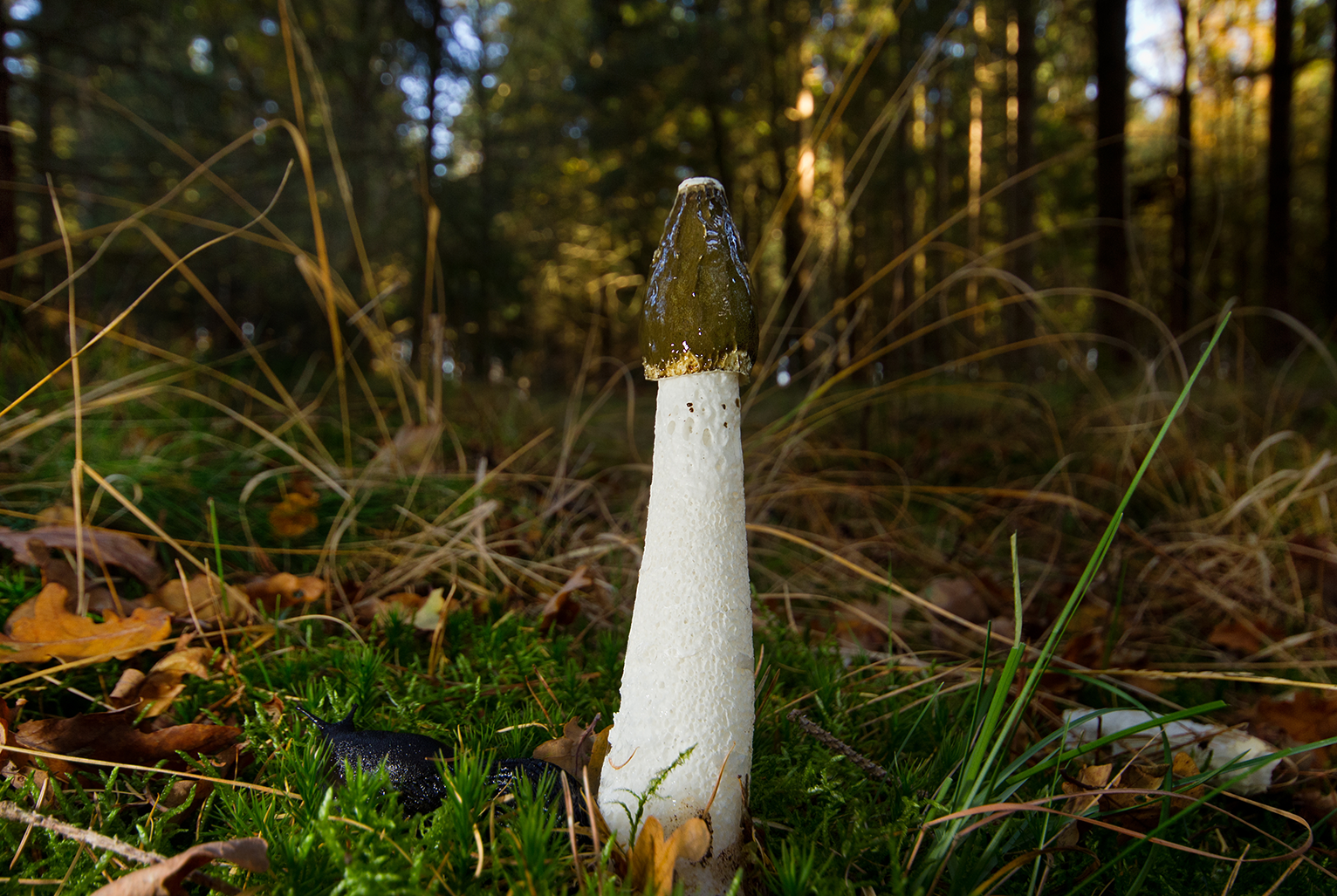
A stinkhorn grows from an egg to a full-sized fruiting body overnight. In that time, it changes its shape, smell and chemical composition entirely. And it is precisely this transformation - from egg to mature mushroom - that determines everything: its composition and how it is used.
In Ukraine and Central Europe, this mushroom is known as "veselka" or "witch's egg." It is harvested and eaten young - at the egg stage, before the cap opens. At this point it is soft, mild in flavour and contains the highest concentration of bioactive compounds in the volva - the dense outer casing of the egg.
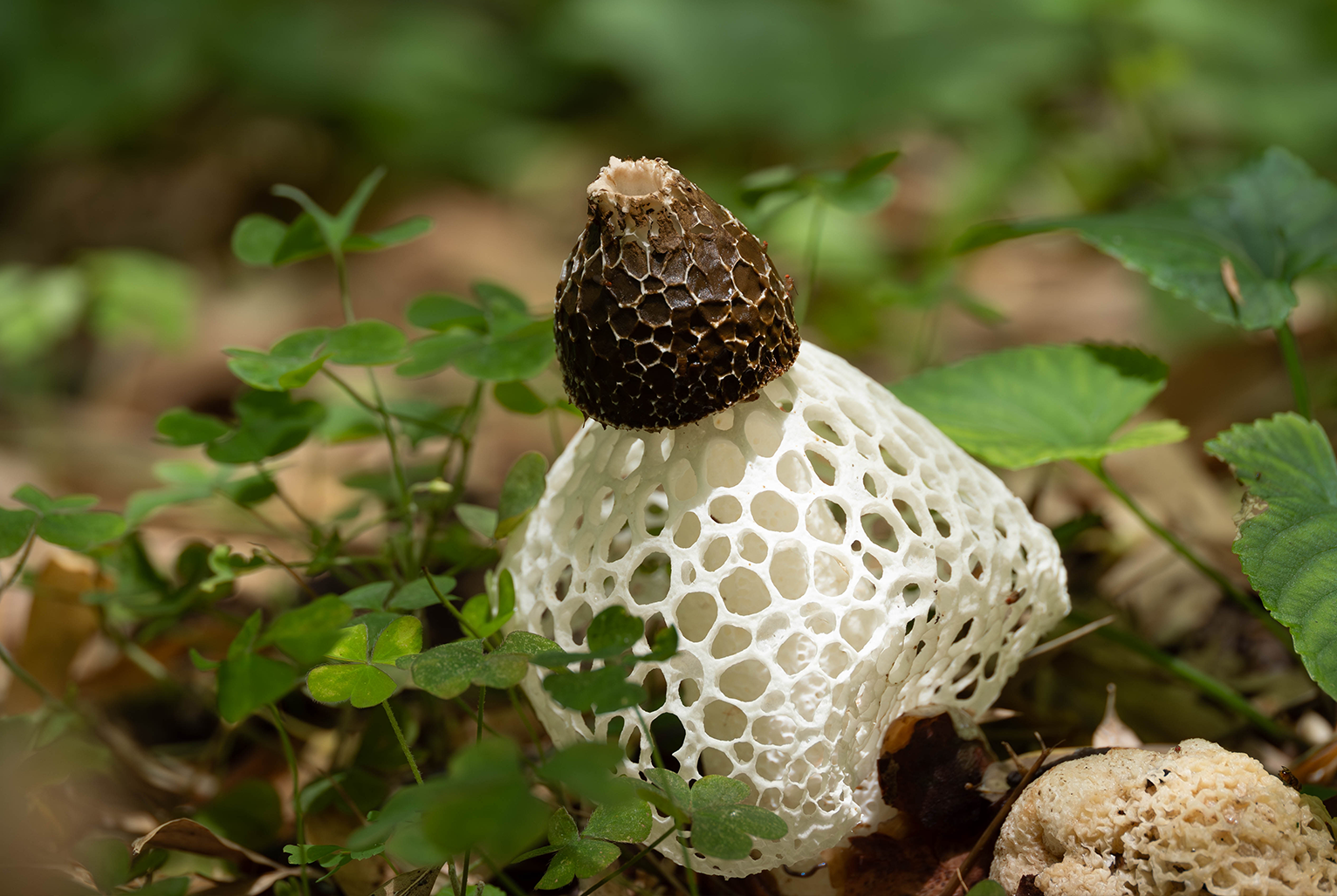
Meanwhile in Asia, another member of the same genus - Phallus indusiatus, known as the "bridal veil fungus" or bamboo mushroom - has become one of the most actively studied edible mushrooms in modern biomedicine. Microbiome, metabolic syndrome, immune function: dozens of studies published in the last five years alone.
One genus, two entirely different research worlds - and several mechanisms of action found nowhere else among functional mushrooms.
What Is the Phallus Genus - and How It Differs from Other Mushrooms
The genus Phallus belongs to the family Phallaceae - commonly called stinkhorns. What sets this genus apart from most edible and functional mushrooms is its development: the fruiting body does not emerge in a typical mushroom form. Instead, it passes through three distinct stages, each with its own biochemical profile.
Three Stages - Three Different Mushrooms
Egg stage. The young fruiting body looks like a rounded or oval mass 4-8 cm in diameter - whitish or slightly purple depending on the species. It is covered by a dense outer layer called the volva (from Latin volva - "wrapper," "sac"). Inside the egg, the entire future mushroom is already formed in a compressed state, surrounded by a thick gelatinous layer. This layer is where the compounds considered most valuable by traditional medicine and modern researchers are concentrated. At the egg stage, the mushroom has no characteristic smell, is soft to the touch and suitable for eating.
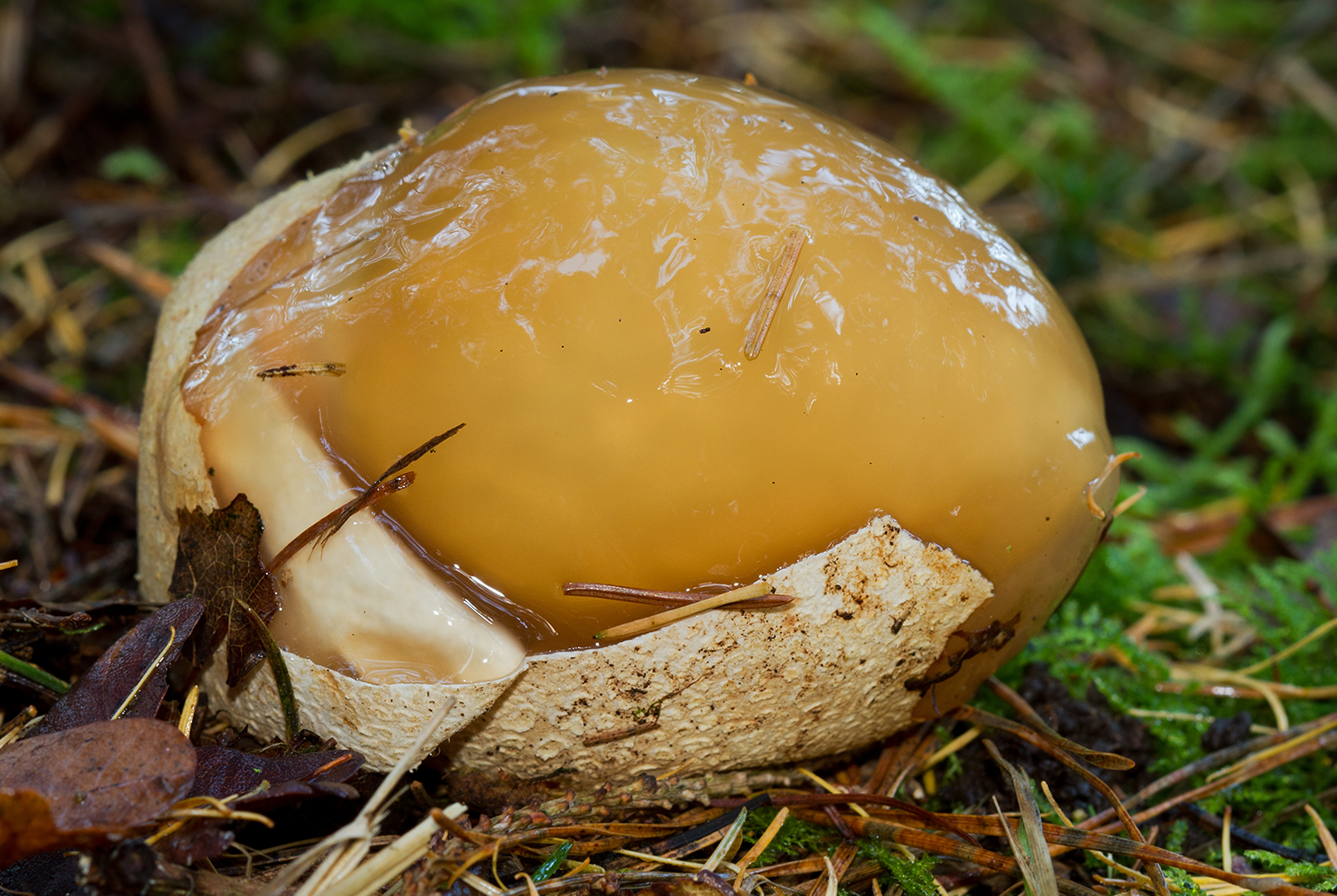
Emergence stage. The volva ruptures, and a stalk with a conical cap shoots upward at remarkable speed - among the fastest growth rates recorded in any living organism. This is the stage at which the mushroom takes on its recognisable form.
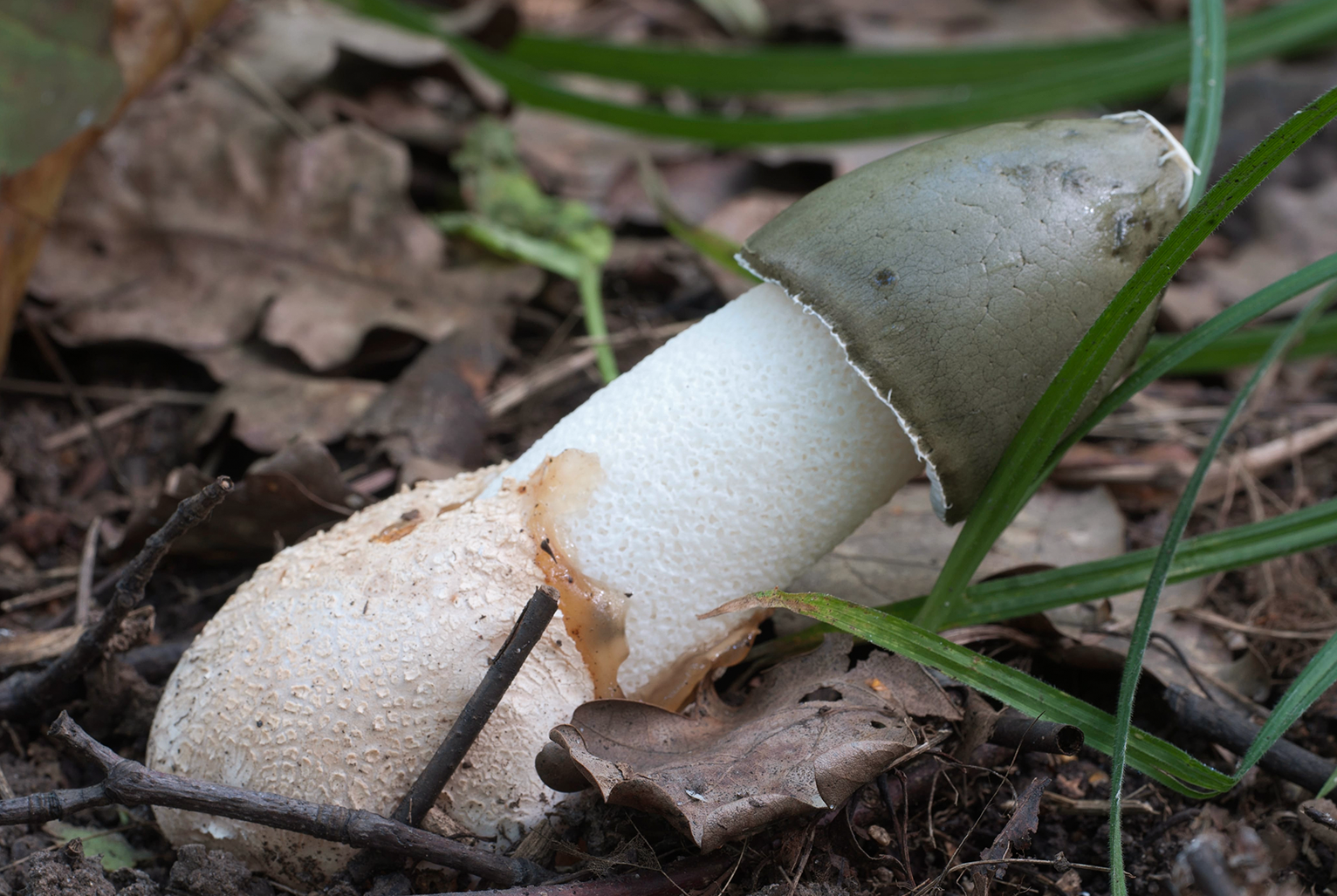 Mature stage. The cap becomes covered in a dark olive slime called the gleba (from Latin gleba - "clump of earth"; in mycology, the spore-bearing mass). The gleba contains spores and releases a strong smell that attracts flies and insects - the mushroom's mechanism for spore dispersal. In Phallus indusiatus, this stage also sees the unfolding of the indusium - a delicate lace-like "skirt" or "veil" that hangs from the cap almost to the ground. This distinctive feature is responsible for the mushroom's poetic names: "bridal veil fungus," "queen of mushrooms," "the veil."
Distribution and Habitat
Phallus impudicus - the common stinkhorn - is found across deciduous and mixed forests of Eurasia and North America. It grows mainly among decaying wood and leaf litter from July through October. The species is not commercially cultivated - only wild-harvested.
Phallus indusiatus - natural range: subtropical and tropical forests of Asia, Africa and Australia. Unlike its European relative, this species is actively cultivated - primarily in China, on substrates of bamboo residues, soybean stalks and rice bran. Industrial cultivation has made it available at the scale needed for scientific research, which explains the fundamentally different volume of academic literature for the two species.
P. impudicus - The Common Stinkhorn: Centuries of Tradition and What Science Has Found
Phallus impudicus has a double reputation. On one hand, it is deeply embedded in the folk medicine of Central and Eastern Europe - from Kievan Rus to the present day. On the other, its academic research base remains modest compared to its Asian relatives. This does not mean the mushroom is ineffective - but it does mean that most claims about it should be read with an understanding of the evidence level behind them.
The Egg as Food and Folk Remedy
At the egg stage, the stinkhorn has traditionally been eaten in the Czech Republic, France, Germany and Ukraine. Fried or boiled, it has a neutral taste and soft texture - some sources compare it to a bird's egg or soft cheese. In Kievan Rus, the mushroom was called "witch's egg" and widely used in folk healing - for joint inflammation, skin ulcers, digestive problems and general strengthening of the body.
Folk medicine across different regions attributed a wide range of effects to the stinkhorn - from supporting male health to treating cancer. It is important to understand that most of these claims exist at the level of tradition and anecdote, without systematic clinical research. This does not make folk experience worthless - but it is not a basis for medical conclusions.
Volva and Gleba - An Unexpected Biochemical Profile
The volva - the dense gelatinous casing of the egg - and the gleba - the slimy spore mass of the mature mushroom - contain compounds that are unusual for most fungi.
Laboratory data indicate the presence of hyaluronic acid and allantoin in the slime layer. Hyaluronic acid is a substance most people know as a key ingredient in skin-moisturising cosmetics. In nature, it is predominantly of animal origin - which makes its presence in a fungus a genuine biochemical rarity. Allantoin is a compound with documented wound-healing and anti-inflammatory activity, widely used in dermatology.
This explains the traditional use of fresh volva on skin - applied to wounds, ulcers and inflamed areas. The gelatinous mass does produce a noticeable moisturising effect on skin contact, which is physiologically consistent with the presence of hyaluronic acid. An important caveat: these are laboratory findings about composition, not clinical studies of systemic effect when taken internally.
Polysaccharide PL-2 and Animal Research Findings
The main bioactive compound isolated from the juice of P. impudicus fruiting bodies is polysaccharide PL-2. A study in rats with implanted Sarcoma 180 showed that administration of mushroom juice with PL-2 significantly compensated for the tumour-induced increase in platelet aggregation. In the cancer-bearing animals, platelet aggregation was elevated by 53% compared to normal - and PL-2 partially restored normal vascular wall parameters.
Why this is mechanistically relevant: malignant tumours promote a state of increased blood clotting. Tumour cells actively use platelets as a shield against the immune system - platelets adhering to tumour cell surfaces increase their resistance and support metastasis. The antithrombotic activity observed here is not a direct anti-tumour effect, but a potential support for normal vascular function under oncological conditions.
Evidence level: animal model. No clinical studies in humans at dietary doses have been conducted for P. impudicus. Direct extrapolation of these results to humans requires further confirmation.
A separate 2016 study (India, MicroMedicine journal): aqueous extract of P. impudicus stimulated production of TNF-α and IL-4 in mouse splenocyte cultures - markers of immune response activation. Evidence level: in vitro cell culture.
P. indusiatus - The Bamboo Mushroom: From Chinese Cuisine to Modern Biomedicine
If P. impudicus is a mushroom with a rich folk tradition and a modest scientific record, Phallus indusiatus presents the opposite picture. Over the past decade, it has become one of the most actively studied edible mushrooms in Chinese and international biomedicine - over thirty publications in leading journals between 2020 and 2025 alone.
Tradition and Cultivation
The earliest written records of P. indusiatus in Chinese medicine date to the Tang dynasty (618-907 AD), where it was used for inflammation, digestive support and cardiovascular function. The Miao people of southern China continue to use it traditionally - for laryngitis, hypertension, hyperlipidaemia and general strengthening.
Unlike the common stinkhorn, P. indusiatus is eaten at the mature stage - the fruiting body after removal of the gleba has a delicate porous texture and neutral flavour. In Chinese cuisine it is considered a delicacy, featured in high-end dishes in Sichuan and Yunnan restaurants. Today China produces the majority of the world's cultivated P. indusiatus, grown on substrates of bamboo residues, soybean stalks and rice bran.
Polysaccharide Profile - What Sets It Apart
The core of P. indusiatus's bioactive profile is a β-(1→3)-D-glucan with β-(1→6)-glucosyl side chains. This structure is found in other functional mushrooms too - but in P. indusiatus it is combined with acidic polysaccharide fractions containing mannose, fucose and glucuronic acid. The acidic character of these molecules determines a specific interaction with immune receptors - somewhat different from the neutral β-glucans found in most other mushrooms.
A study by Wu et al. (International Journal of Biological Macromolecules, 2022) established that β-D-glucan from P. indusiatus activates the NF-κB signalling pathway via the TLR4 receptor - one of the key mechanisms of immune activation. Notably, the immunostimulatory activity was found to depend on the molecular weight and spatial conformation of the polysaccharide: at a certain level of degradation activity increased, but upon conformational change it declined significantly. This matters for understanding extract quality - processing method affects the bioactivity of the final product.
Microbiome and Metabolic Syndrome - Where the Evidence Is Strongest
The most developed area of P. indusiatus research is its effect on the gut microbiome and metabolic parameters in obesity.
Kanwal et al. (Frontiers in Endocrinology, 2020), studying mice with high-fat diet-induced obesity: administration of DIP polysaccharides significantly reduced body weight, fat cell size, blood glucose and inflammatory cytokines. The Firmicutes-to-Bacteroidetes ratio in gut flora normalised - a marker associated with metabolic health. Integrity of the intestinal epithelial barrier was also restored through regulation of tight junction proteins.
Yao et al. (International Journal of Biological Macromolecules, 2024, Nanchang University) refined the picture: different polysaccharide fractions from P. indusiatus act differently - some primarily affect lipid metabolism, others glucose levels, others microbiome composition. This confirms that the polysaccharide profile of this mushroom is not a monolithic structure but a set of different molecules with different entry points into the body.
A recent study by Zeng et al. (International Journal of Food Microbiology, 2025, Fujian University): DIP polysaccharides supported the viability and proliferation of Bifidobacterium longum in fermented dairy products - confirming prebiotic potential in a food context.
Bone Health and Antioxidant Protection - An Unexpected Direction
Li et al. (International Journal of Biological Macromolecules, 2025, Harbin Institute of Technology in collaboration with China's Astronaut Research and Training Centre): the anionic polysaccharide SADIP from P. indusiatus reduced bone mass loss in a simulated weightlessness model through an antioxidant mechanism - by increasing the activity of SOD, catalase and glutathione peroxidase. The antioxidant protection of bone tissue via polysaccharides is relevant beyond space medicine - anywhere oxidative stress is chronically elevated.
The Oncology Context - What Has Been Studied and Where the Evidence Ends
The stinkhorn is one of the few mushrooms actively marketed with an oncological narrative. This creates a situation where consumer expectations and the actual state of research diverge significantly. This section is not a refutation - it is an accurate account of what is known, and at what level of evidence.
Two Mechanisms Studied - and How They Differ
P. impudicus: antithrombotic activity in oncological conditions. Malignant tumours promote a state of elevated blood clotting. This is not an incidental side effect - tumour cells actively use platelets as protection against the immune system: platelets adhering to tumour cell surfaces increase their resistance and support metastasis.
This is the mechanism studied in research on polysaccharide PL-2. In rats with Sarcoma 180, administration of P. impudicus juice significantly compensated for tumour-induced platelet hyperaggregation and partially restored anticoagulant activity in the vascular wall. The potentially interesting direction here is not a direct anti-tumour effect, but support for normal vascular function under oncological conditions. Evidence level: animal model. No human clinical studies have been conducted.
P. indusiatus: influence on the tumour microenvironment. Han et al. (Cell Biochemistry and Function, 2017): the isolated polysaccharide ZSP4 from P. indusiatus inhibited the immunosuppressive function of cancer-associated fibroblasts. These cells are one of the tumour's mechanisms of defence against the immune system - they suppress T-lymphocyte and NK-cell activity within the tumour microenvironment. ZSP4 in cell culture partially blocked this protective function of fibroblasts. Evidence level: in vitro cell culture. The distance from cell culture to clinical effect is substantial, and most molecules do not make it.
A Clear Distinction - Non-Negotiable
Both results described above are at the preclinical level: animal models and cell cultures. No clinical studies in humans for P. impudicus or P. indusiatus at dietary doses in an oncological context have been conducted. Stinkhorn as a food product - powder, extract or tincture at everyday doses - is not and should not be considered a substitute for cancer treatment. Any use in an oncological context should be discussed exclusively with a physician and only as a complement to primary treatment.
Powder, Extract, Tincture - Which Form for Which Purpose
The Phallus genus is available primarily in three forms - and the choice between them determines not just convenience, but what the body actually receives.
Dried egg and volva of P. impudicus. The traditional form for the common stinkhorn - dried fruiting body at the egg stage, sometimes with part of the volva. This is the closest form to traditional folk use: it retains the full matrix profile including the gelatinous volva layer where hyaluronic acid and allantoin are concentrated. Brewed in hot water or added to food. Taste is neutral, no characteristic smell of the mature mushroom. Best suited for: daily dietary enrichment with the full spectrum of components.
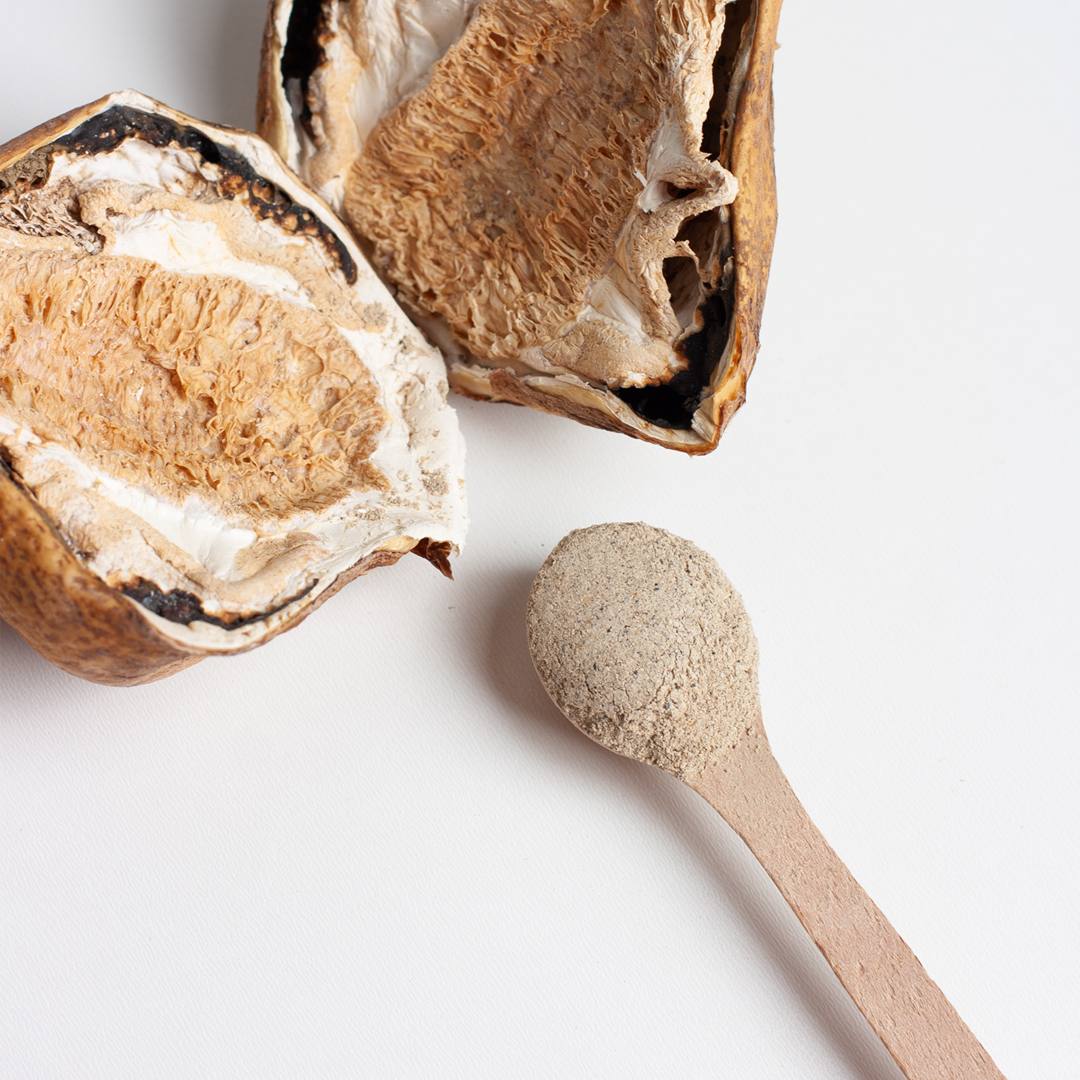
Fruiting body powder. Retains the complete cellular profile of the mushroom: β-glucans, chitin, dietary fibre, minerals in their natural ratio. Does not dissolve fully in water - best brewed in hot water for 10-15 minutes or added to hot dishes. Prebiotic effect through insoluble chitin and soluble polysaccharides is greatest in this form. Powder is produced primarily from P. indusiatus - a cultivated species with a predictable and stable composition.
Extract - standardised polysaccharide concentration. A hot-water extract of the fruiting body contains a standardised concentration of polysaccharides from 20% and above. During extraction, soluble polysaccharide fractions - β-glucans, acidic heteropolysaccharides, mannose-containing fractions - are released from the cellular matrix and become bioavailable regardless of individual digestive differences. Matrix components - insoluble chitin, some minerals - are reduced or absent in the extract. Best suited for: a precise, standardised dose of polysaccharides with predictable bioavailability.
Tincture. An alcohol tincture of eggs or fruiting bodies of P. impudicus - the traditional form in folk medicine across Ukraine and Central Europe. Alcohol releases some fat-soluble components and phenolic compounds that do not transfer into a water-based extract. Standardisation of active compound concentration in such products is virtually absent - composition depends on raw material, alcohol percentage and steeping time. Best suited for: traditional folk use, not precise dosing of active fractions.
Choosing between forms is not a question of quality, but of purpose and context. Powder and dried egg suit daily dietary enrichment with a full matrix profile. Extract suits targeted intake with a standardised dose. Tincture suits those following traditional practice who understand its limitations.
Conclusion
The genus Phallus is a rare case in the world of functional mushrooms: two closely related species with fundamentally different research profiles that nonetheless complement each other in practical application.
Phallus impudicus - the common stinkhorn - is deeply rooted in the folk tradition of Central and Eastern Europe. Its biochemical profile contains compounds unusual for most mushrooms: hyaluronic acid and allantoin in the volva, and polysaccharide PL-2 with antithrombotic activity in animal models. The academic base is modest for now - but the mechanisms studied are conceptually interesting and warrant further research.
Phallus indusiatus - the bamboo mushroom - presents the opposite picture: a developed body of evidence in animal models across microbiome, metabolic syndrome and immune activation. The polysaccharide profile is well characterised biochemically, and the mechanisms of influence on gut microflora have been confirmed in several independent studies.
What both share is the logic of regular use rather than a short course. Microbiome changes are recorded after 4-8 weeks of consistent intake. Metabolic and immune effects through polysaccharides are cumulative with stable supply. This is a food component with systemic logic, not a single-use product.
If this article has left you with questions about forms or how to choose - get in touch directly. We'll work through it together.
This material is for informational purposes only and does not constitute medical advice. Any changes to your diet, introduction of new foods or supplements should be discussed with a doctor or qualified healthcare professional on an individual basis.
References
- Kanwal S., Aliya S., Xin Y. Anti-Obesity Effect of Dictyophora indusiata Mushroom Polysaccharide (DIP) in High Fat Diet-Induced Obesity Regulating Inflammatory Cascades and Intestinal Microbiome. Frontiers in Endocrinology, 2020. DOI: 10.3389/fendo.2020.558874
- Yao H., Yang J., Li S. et al. Effects of different fractions of polysaccharides from Dictyophora indusiata on high-fat diet-induced metabolic syndrome in mice. International Journal of Biological Macromolecules, 2024. DOI: 10.1016/j.ijbiomac.2024.132744
- Wu D-T., Zhao Y-X., Yuan Q. et al. Influence of ultrasound assisted metal-free Fenton reaction on the structural characteristic and immunostimulatory activity of a β-D-glucan isolated from Dictyophora indusiata. International Journal of Biological Macromolecules, 2022. DOI: 10.1016/j.ijbiomac.2022.08.058
- Han S., Ma C., Hu M. et al. A polysaccharide from Dictyophora indusiata inhibits the immune suppressive function of cancer-associated fibroblasts. Cell Biochemistry and Function, 2017. DOI: 10.1002/cbf.3290
- Li Q., Wang Y., Jiang S. et al. Structural characterization and anti-weightless bone loss activity of an anionic polysaccharide from Dictyophora indusiata. International Journal of Biological Macromolecules, 2025. DOI: 10.1016/j.ijbiomac.2025.140006
- Zeng Z., Chen S., Wang L. et al. Dictyophora indusiata polysaccharide enhances flavor and viability of probiotic Bifidobacterium longum F2 in milk beverage. International Journal of Food Microbiology, 2025. DOI: 10.1016/j.ijfoodmicro.2025.111190
- Lv J., Yao L., Li S. et al. New aniline derivatives from the volva of Phallus rubrovolvatus and their anti-inflammatory activity. Bioorganic Chemistry, 2021. DOI: 10.1016/j.bioorg.2021.105577
- Habtemariam S. The Chemistry, Pharmacology and Therapeutic Potential of the Edible Mushroom Dictyophora indusiata (Vent ex. Pers.) Fischer (Synn. Phallus indusiatus). Biomedicines, 2019. DOI: 10.3390/biomedicines7040098
- Zhang Y., Xun H., Gao Q. et al. Chemical Constituents of Dictyophora indusiata and Their Anti-Inflammatory Activities. Molecules, 2023. DOI: 10.3390/molecules28062760
- Polysaccharides of Mushroom Phallus impudicus Mycelium: Immunomodulating and Wound Healing Properties. Modern Food Science and Technology, 2019.